Badminton looks simple — two people whacking a feathered thing over a net — until the shuttlecock does the thing it’s famous for: slowing down mid-air and dropping vertically. Then you realize it’s the fastest racquet sport in the world, and the fastest object in sport (over 300 mph at the top level).
But you can learn the flow in one session. Here’s how to play from your first serve to your first win.
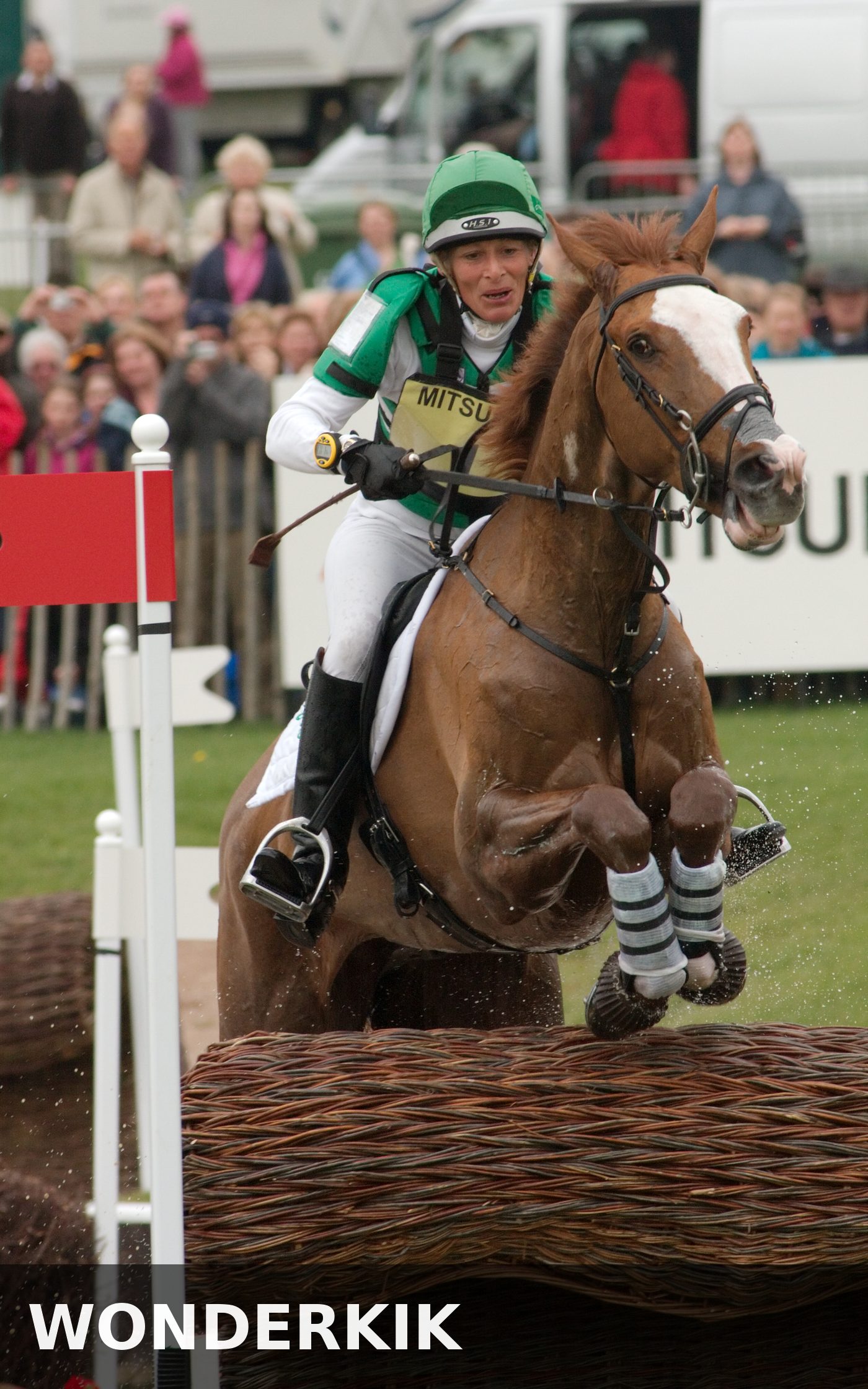
Mary King and Apache Sauce jump the Lake during the cross-country phase of Badmi – CC CC BY-SA 3.0 (Wikimedia Commons)
The short version
Hit the shuttle over the net — it’s that simple, and it never bounces first in badminton.
Rally scoring: every rally earns a point for the winner.
Underhand serve, below the belt.
Serve from the right service court when your score is even, left when odd.
First to 21, win by 2, best of three games.
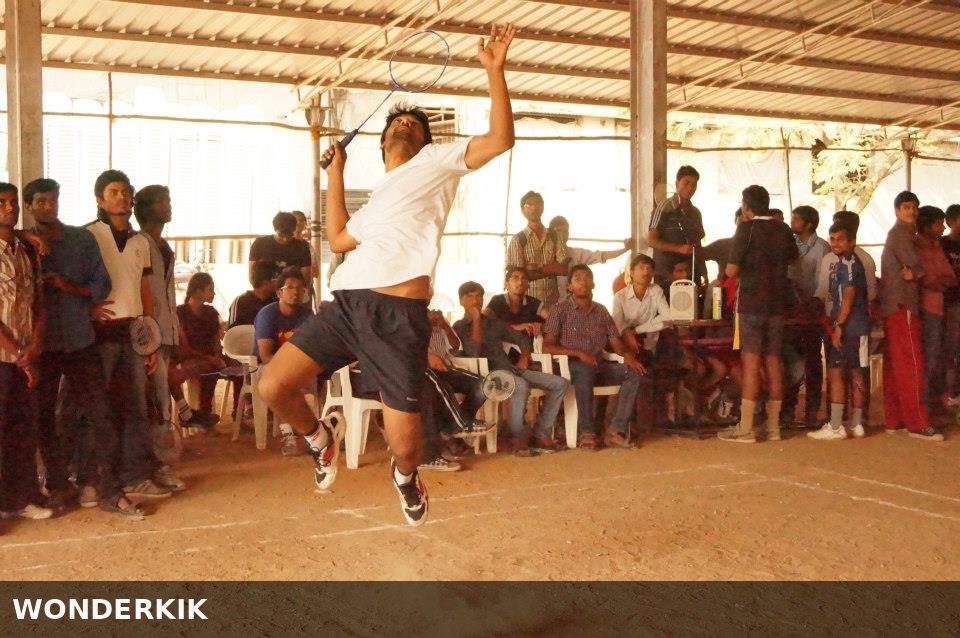
Smash it! – CC CC BY-SA 4.0 (Wikimedia Commons)
The grip and stance
Hold the racket like you’re shaking hands with it. For a forehand, the racket face points forward; for the backhand, you rotate your thumb up the grip. Stand with your feet about shoulder-width, knees soft, racket up at chest height — not dangling at your hip. Badminton is a reaction sport; the racket starts high.
The serve (the rules everyone trips on)
Underhand only. The striking point must be below your waist (below 1.15 m per the laws).
Feet on the ground, in the correct service court: right if your score is even, left if odd.
Hit the cork (base) first.
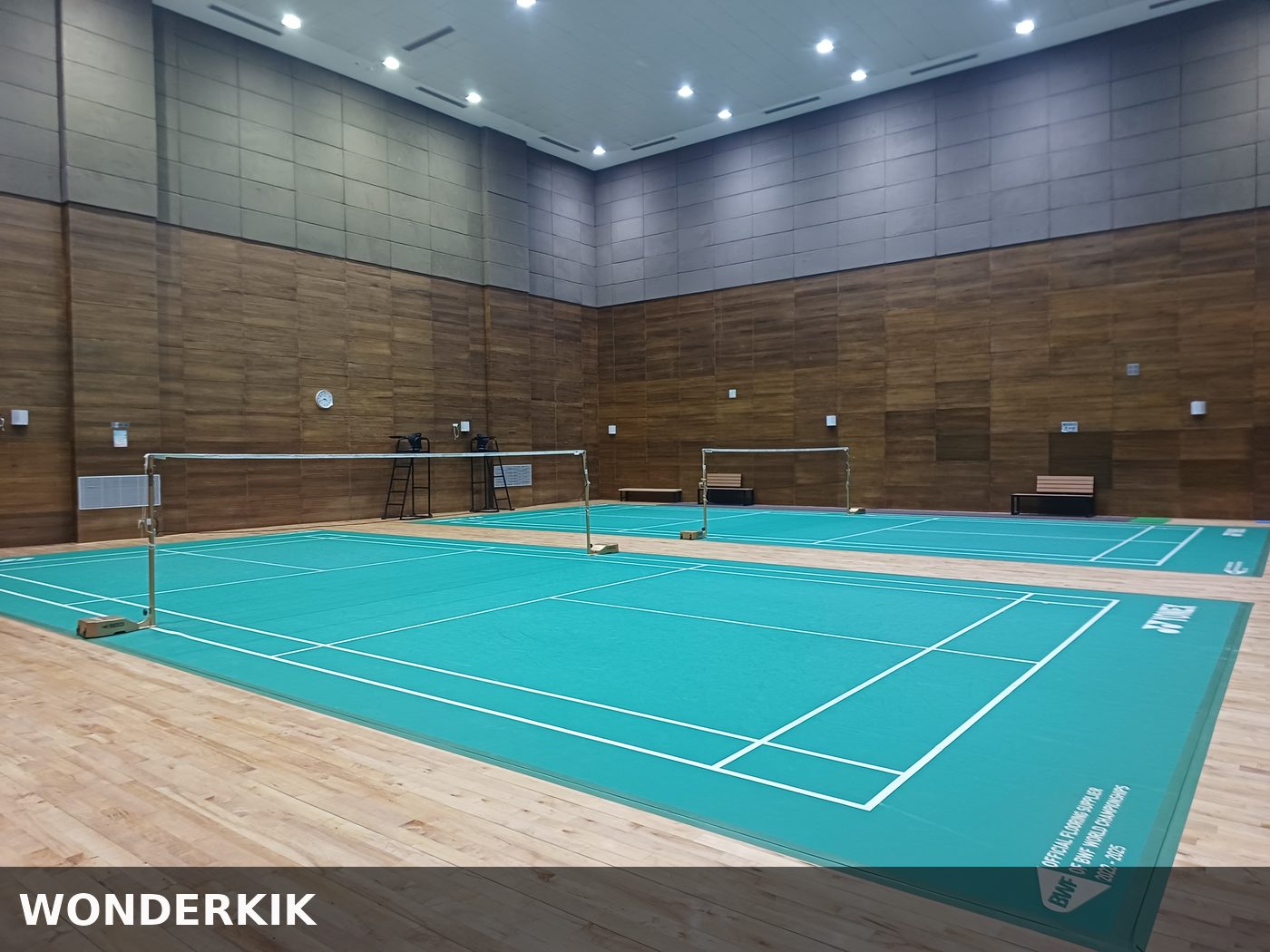
The serve must land in the diagonal service court — past the short service line, inside the correct boundary.
The long high serve that floats to the back of the court is the classic beginner serve in singles (it pushes your opponent to the baseline). In doubles, most players use a low, flat drive serve aimed at the front half of the service box — quicker to play, harder to attack.
The four strokes you’ll actually use
Clear — a high, deep shot that flies to the back of the court. It’s the foundation: it buys you time and pushes your opponent back.
Drop — a soft shot that just clears the net and dies close to your opponent’s front court. This is the shot that wins points against beginners.
Smash — the overhead kill: hit the shuttle downward as hard as you can. The fastest smash ever recorded is around 306 mph.
Drive — a flat, fast shot at net height, great for doubles.
Learn the clear first. If you can clear, you can at least compete; drops and smashes come later.
Footwork: your invisible partner
In badminton you don’t run to the shuttle — you step. Small, quick steps, always returning to a central “base” position after each shot. Watch any decent player: they’re constantly resetting to the middle of their service court. That recovery is 80% of beginner level badminton.
What actually happens in a point
A serves (right court at 0-0).
B returns it — in badminton there’s no double-bounce rule, so B can hit it out of the air or after… wait. In badminton there IS no bounce-required rule at all; the shuttle may be hit before it bounces (it almost always is, since the shuttle rarely bounces exactly once). The rally continues until someone fails to return it, hits it out, hits the ceiling, or touches the net.
If A wins the rally, A gets a point and serves again — now from the left court (score is odd).
Play to 21, win by 2.
Your first game in one paragraph
Grip like a handshake, keep the racket up. Serve underhand, below the belt, cork first, from the right court at even scores. Clear to the back and drop softly to the front, and always step back to the center. Every rally scores. First to 21 by 2, best of three. Go find an indoor court, borrow a racket, and play your first rally — the shuttlecock will humiliate you for exactly ten minutes, and then it clicks.
Is badminton easy to learn?
The basics are easy — hit the shuttle over the net, rally scoring keeps it simple. The hard part is control, because a shuttlecock slows and drops vertically instead of bouncing like a ball.
Can you smash on your first serve in badminton?
No. The serve is underhand and below the waist. Smashes come during the rally, overhead.
Do you have to let the shuttle bounce in badminton?
No — unlike pickleball, badminton has no bounce rule. Players usually hit the shuttle before it lands.
Racquet sports player and writer covering pickleball, padel, tennis, badminton, and squash. Former collegiate tennis player turned recreational pickleball enthusiast. Jackson writes beginner-friendly guides to help new players get on court faster.
















Recent Comments