Badminton is a javelin throw in sneakers: players jump, reverse-jump, and lunge in every direction at racquet-head speed. The bill lands on the ankle — the most commonly reported injury in the sport, from recreational to Olympic level.
Most badminton ankle injuries are sprains, and most are preventable. But the second, worse cousin lurks behind them: the achilles issue from explosive push-offs. Here’s what actually happens on the landing, and how to keep the injury off your season.
Health note: performance advice only. Swelling, bruising, or inability to weight-bear needs a professional— not rest-and-hope.
in Antigua Guatemala-unique Badminton trophy – CC CC BY-SA 2.0 (Wikimedia Commons)
Why the smash makes ankles the target
The jump smash is badminton’s money shot and its injury signature:
Landing on a turned foot. Players hit, land, and immediately recover — the foot lands mid-turn on its outside edge.
Hard heel strike. Modern shoes and hard courts meet at speed; the lateral (outside) ankle ligament takes the shock.
Explosive push-offs. The “second-step” burst after landing loads the achilles tendon at its tensile limit.
The 3-layer prevention stack
1. Shoes (the non-negotiable)
Badminton-specific court shoes with a flat, wide base and lateral support. Running shoes are compensation for a hard press — the cushioned heel rolls outward on exactly the landing that sprains you.
2. Landing mechanics
Land balanced — ankle under knee, knee bent, weight softly through the arch. Train the landing out of the jump by shadowing smashes and pausing 1 second in the landing position. Good landings are a skill, not luck.
Badminton’s jump smashes and lunges land on a moving, turned foot with a hard heel-strike. Ankle sprains come from landing on the outside edge; achilles pain from explosive push-offs.
Is ankle injury the most common badminton injury?
Yes — ankle sprains are the most commonly reported injury in badminton, ahead of knee and shoulder. The landing mechanics of the jump smash make the goal a constant ankle-stress zone.
How do I prevent badminton ankle injuries?
Court shoes with good ankle stability, calf strength for landing control, and footwork that lands balanced (ankle directly under the knee). Never use running shoes — they roll on landings.
How long does a badminton ankle sprain take to recover?
Grade 1 sprains: 1-2 weeks. Grade 2: 3-6 weeks with rehab. Even after recovery, rebuilding ankle strength cuts the re-sprain rate dramatically — badminton ankles get re-injured fast.
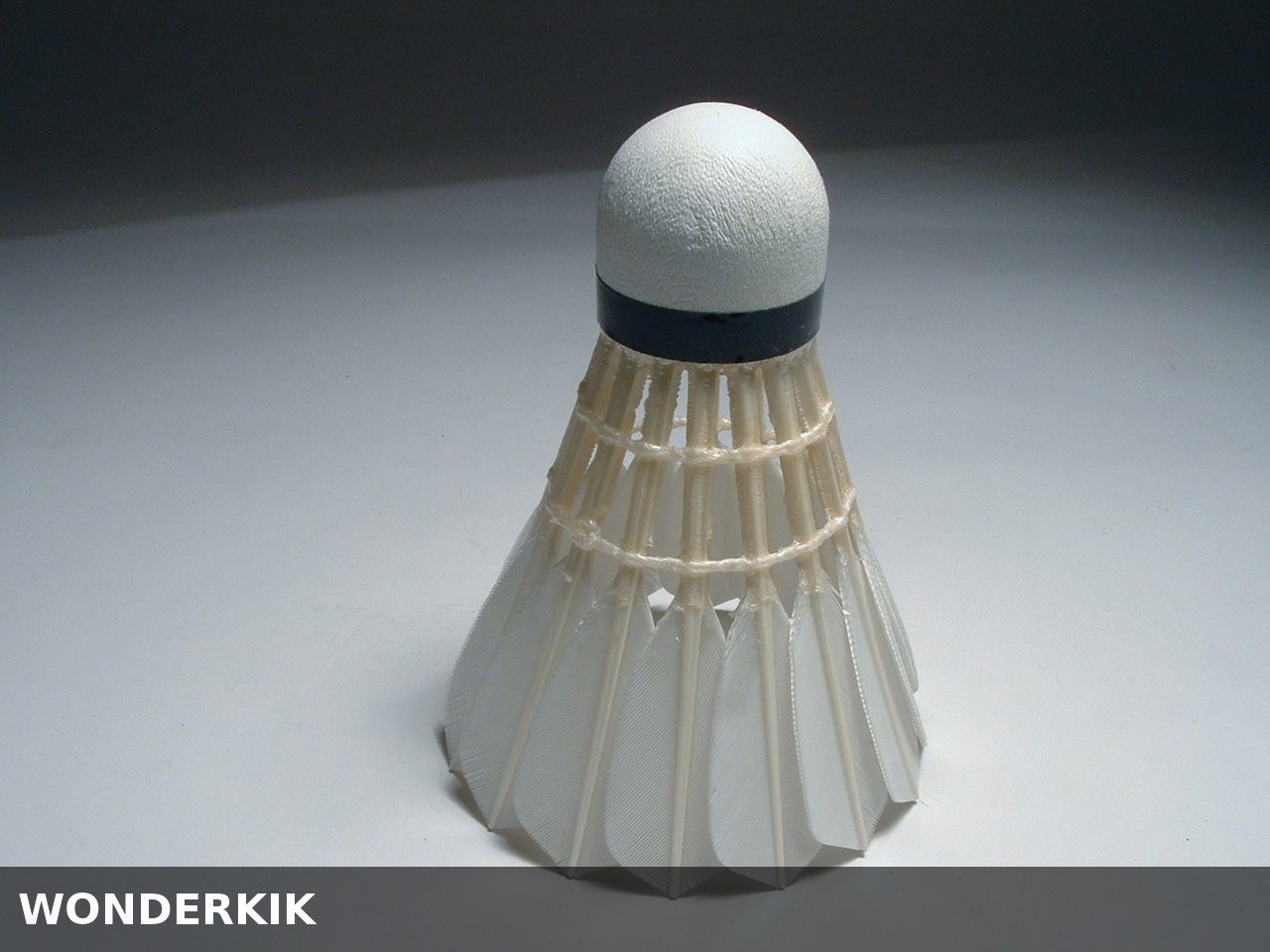
Volant de badminton en plume / Badminton feather shuttlecock. – CC Public domain (Wikimedia Commons)
The bottom line
Badminton ankles are a landing problem, and landings are trainable. Proper court shoes kill the biggest single risk; balanced landings and twice-weekly ankle work handle the rest. Every jump smash you land cleanly is a vote against the sport’s #1 injury.
Racquet sports player and writer covering pickleball, padel, tennis, badminton, and squash. Former collegiate tennis player turned recreational pickleball enthusiast. Jackson writes beginner-friendly guides to help new players get on court faster.











Recent Comments