Table tennis is small, quick, and surprisingly brutal on the one joint everyone forgets: the lower back. The sport’s signature stance — hips flexed, spine crouched, knees bent for the whole session — is a lumbar-load machine, and the modern heavy forehand adds a rotating spike on top.
Back strain is one of the most commonly reported injuries in table tennis, and it’s almost always a posture-plus-base problem. Here’s what the position does, and the two adjustments that end the ache.
Health note: performance advice, not a diagnosis. Leg pain or numbness needs professional review.
Table tennis trainees playing tennis at a training session – CC CC BY-SA 4.0 (Wikimedia Commons)
The two sources of table tennis back pain
1. The crouch
The ready position keeps your hips flexed and trunk bent for hours. That sustained holding load on a curved spine is exactly the pattern that fatigues the lumbar muscles and discs — the ache creeping in mid-second-hour.
2. The forehand rotation
The modern forehand whips the torso from a low, bent base. Without anti-rotation core strength, the lower back takes the rotational stress that strong abs and obliques would handle.
The posture fix in 2 steps
Bend from the hips, not the waist. Keep the back flat, hinge at the hips, knees softly bent. The stance is a squat, not a slouch.
Micro-breaks. Stand fully upright for 60 seconds every 15 minutes. Re-loads the spine — players who do this report the second-hour ache disappears.
The 2 strength moves that fix it (2x/week)
Exercise
Sets × reps
Job
Pallof press (anti-rotation)
3 × 12 per side
The rotational demand of the forehand
Hip-hinge deadlift pattern
3 × 10
Trains the exact standing-lunge position
These two replace the sit-ups everyone (incorrectly) recommends. The back is a rotation-and-hinge problem, so train rotation and hinge.
Sustained crouched stance (hips flexed, spine bent) plus rotational forehands done from a weak base loads the lumbar spine. Long sessions amplify the load — most players feel it mid-second-hour.
Is table tennis back pain common?
Yes. Studies of table tennis players list lower-back strain among the most common complaints. Amateur players often worse — they keep the bent base posture for hours without conditioning.
How do I stop back pain from table tennis?
Shorten the crouch (bend from the hips, keep the back flat), build anti-rotation core strength, and take micro-breaks — 60 seconds of standing straight every 15 minutes.
Should I keep playing with back pain?
Only mild, fading pain. Radiating leg pain or numbness means stop and see a professional. Sustained bent-over play rarely self-resolves if the posture and base stay unchanged.
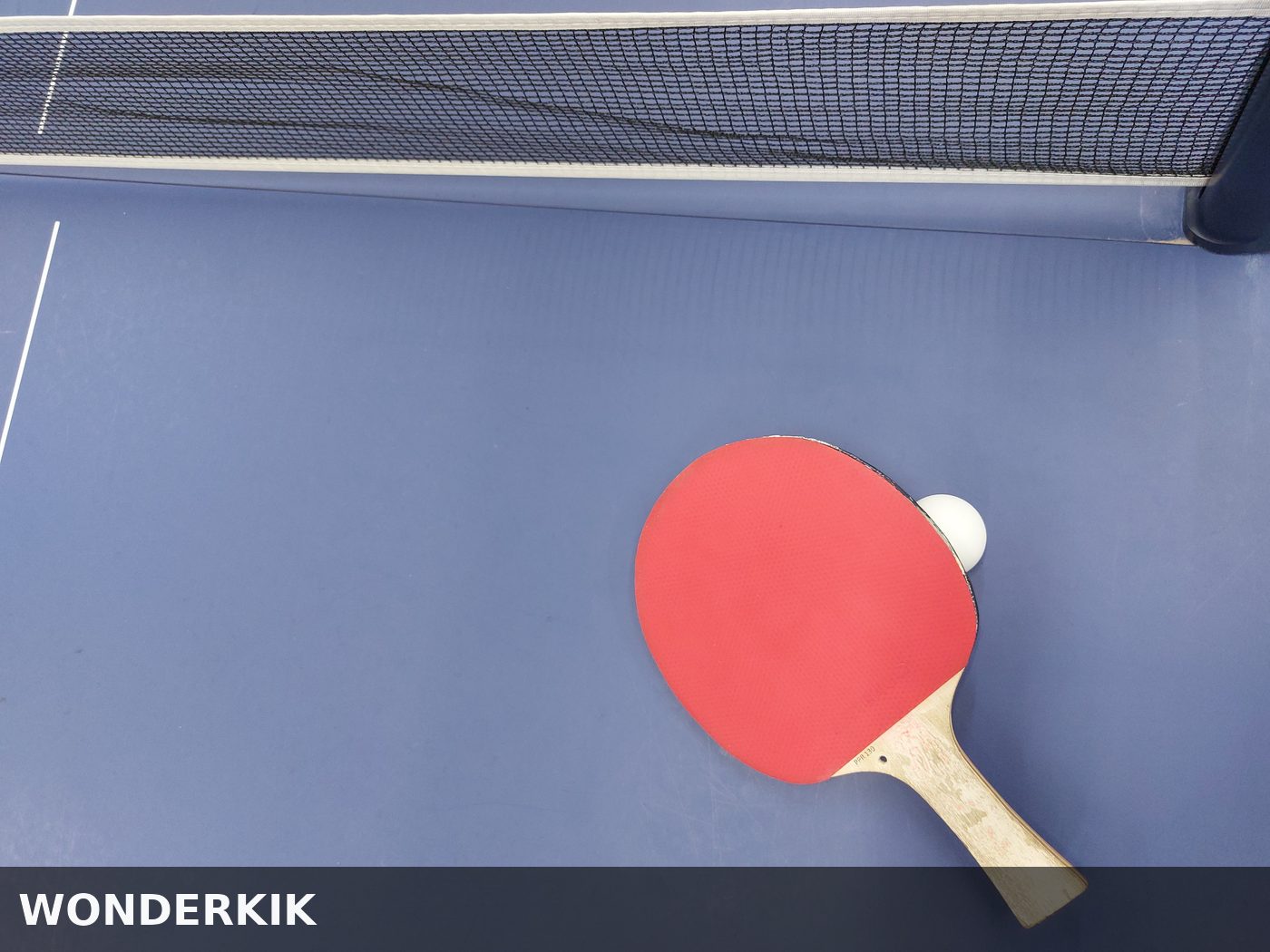
Table Tennis racquet and ball on table with the net – top view – CC CC BY-SA 4.0 (Wikimedia Commons)
The bottom line
Table tennis back pain isn’t the sport’s doing — it’s the crouch you can fix and the base you can build. Hinge from the hips, stand straight every quarter hour, and train the anti-rotation core. The table stays quick; the back stops paying for it.
Racquet sports player and writer covering pickleball, padel, tennis, badminton, and squash. Former collegiate tennis player turned recreational pickleball enthusiast. Jackson writes beginner-friendly guides to help new players get on court faster.













Recent Comments