Before you buy a $250 vibration-absorbing paddle or a new $400 racket, spend $5 on an overgrip. Grip size is the most underrated variable in racquet sports, and getting it wrong loads the elbow and wrist with every single shot.
Wrong grip size is a top cause of the two-handed symptoms every racquet player fears: tennis elbow (from squeezing a too-thin grip) and wrist pain (from locking a too-thick one). This guide is the 5-minute fix.
Measure from the base crease of your palm to the tip of your ring finger. Pickleball paddles around 4 1/8-4 5/8 inch; tennis rackets in 1/8-inch sizes. If in doubt, size slightly larger.
Why does grip size cause elbow pain?
A grip too small makes you squeeze harder to control the head, firing the forearm tendons that cause tennis elbow. A grip too big locks the wrist and overworks it. Both push load onto the elbow.
Should I add an overgrip?
If the grip feels thin and you catch yourself squeezing, add a 0.5-1mm overgrip. Overgrips also swap cheap and easy — trying a thicker one costs under $5 and often ends elbow pain.
Is a thicker grip always safer?
No. Too thick kills wrist play and changes your swing. The right grip lets you hold the implement loosely with the wrist free — that’s the healthy balance, not maximum thickness.
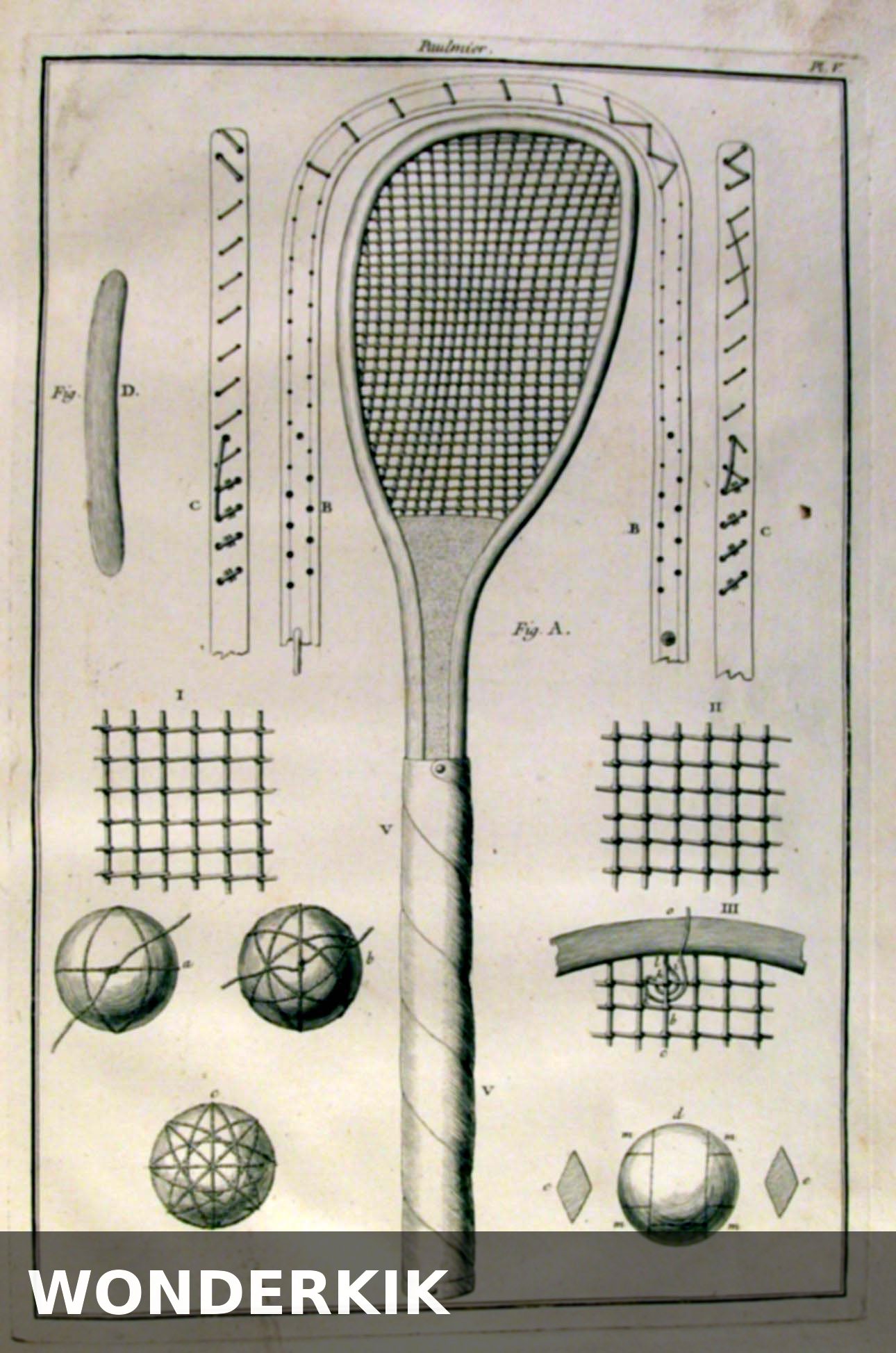
Creation of a tennis racket in the 18th century – CC Public domain (Wikimedia Commons)
The bottom line
Elbow pain in racquet sports is often a grip problem in disguise. Measure once, re-grip once, and let the overgrip do the talking — it’s the cheapest fix in the game, and it rarely steals the show from the tendon that’s actually complaining.
Racquet sports player and writer covering pickleball, padel, tennis, badminton, and squash. Former collegiate tennis player turned recreational pickleball enthusiast. Jackson writes beginner-friendly guides to help new players get on court faster.












Recent Comments