Racquet sports are stop-start contact-free sports that still produce contact-sized injuries. The common denominator: cold tendons meeting sudden, repeated effort — smashes, lunges, quick brakes, wrist snaps. Every racquet sport solves it the same way.
You don’t need a gym session. Here is a 5-minute warm-up that primes the joints all six racquet sports actually use, in the right order, with a printable table to stick by your bag.
Racquet sports load the shoulder, knee, and wrist through sudden, repeated efforts. A warm-up raises muscle temperature, primes the rotator cuff and achilles, and measurably cuts injury risk — especially for players over 30.
Can a warm-up be only 5 minutes?
Yes for recreational play. The 5-minute version primes the critical joints (shoulder, hips, ankles, wrists). Push it to 10 minutes before intense matches, doubles, or temperature drops.
Is the same warm-up good for all racquet sports?
Almost. All six share the same key joints and stop-start movement. Adjust the focus: squash needs more knee/ankle work, badminton and padel more shoulder (overheads), table tennis more wrist.
Should I stretch or just warm up?
Move first, stretch after. Static stretching before play reduces power output. Use dynamic movements (the ones in this guide) before; stretch post-game when muscles are warm.
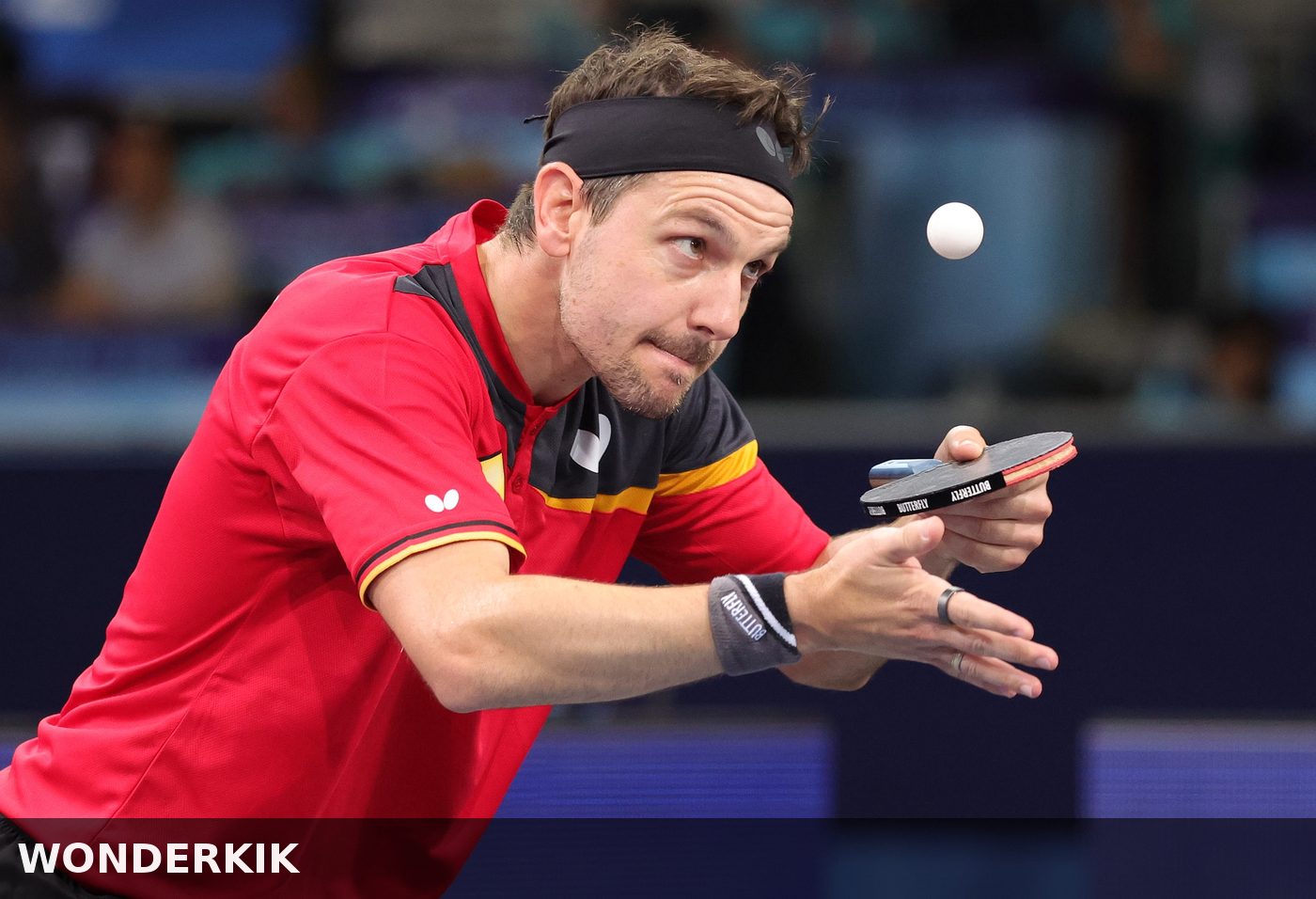
European Table Tennis Championships in the Rudi-Sedlmayer-Halle as part of the E – CC CC BY-SA 4.0 (Wikimedia Commons)
The bottom line
Five minutes of dynamic movement before you play is the cheapest injury insurance in racquet sports. No racket-sport injury is worth the cold-entry shortcut. Print the table, do the minutes, and your body returns the favor on the first smash, lunge, and side-step.
Racquet sports player and writer covering pickleball, padel, tennis, badminton, and squash. Former collegiate tennis player turned recreational pickleball enthusiast. Jackson writes beginner-friendly guides to help new players get on court faster.














Recent Comments