Every racquet sport has a signature injury, and knowing which is riskiest helps you pick a sport — or an approach. This ranking compares the six big racquet sports by joint load, acute (sudden) injury risk, and how much preparation protects the player.
The short version: squash and tennis demand the most of the body; pickleball and table tennis are gentlest — but pickleball’s beginner ankle injuries give it a hidden trap.
Health note: performance advice, not medical guidance.
This image of an early tennis player is extracted from Spalding’s Athletic Libra – CC Public domain (Wikimedia Commons)
The ranking (safest → most demanding)
Rank
Sport
Main risk areas
Injury profile
6
Table Tennis
Wrist, shoulder
Low acute risk; overuse wrist tendonitis
5
Pickleball
Ankle, knee
Low severity, but high beginner count
4
Padel
Knee, shoulder
Moderate; wall collisions
3
Badminton
Shoulder, ankle
Jump-smash load; Achilles risk
2
Tennis
Shoulder, back, elbow
Serve-led overload; hard-court joints
1
Squash
Knee, eyes, ankles
360° movement; highest acute rate
Why squash tops the list
Squash players cover more court angles than any other racquet sport, lunge deep, stop hard, and share glass-walled space. The result is a knee-first injuries list, plus the unique eye-injury risk from a socket-fitting ball. It’s the most injury-prone — and why its professionals train the hardest bodies in racquet sports.
Tennis is second — and it’s the serve’s fault
Tennis injuries cluster around the serving arm (shoulder, elbow) and the lower back. Hard courts add joint wear. Pickleball borrowed tennis’s core mechanics but softened the load — smaller court, lighter hits — which is exactly why it ranks safer.
The pickleball trap
Pickleball’s overall risk is genuinely low — the sport is built for longevity. But it has the newest beginners and the sport’s worst footwear habits: most start in running shoes, and the quick kitchen step rolls ankles. The injury rate story isn’t the sport — it’s the shoes.
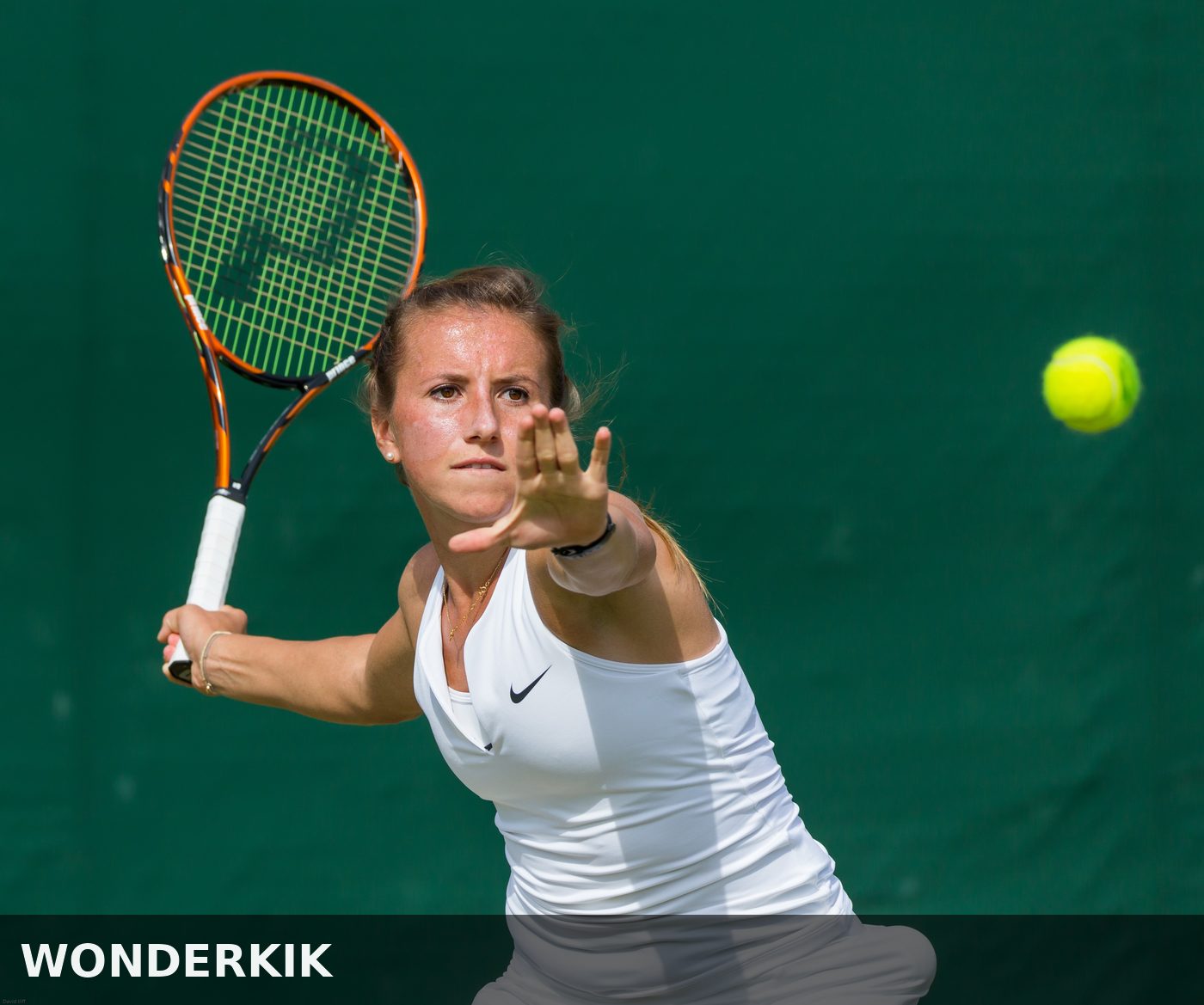
Laura Robson (nearest to the camera) in action on court 19 during the en:2008 Wi – CC CC BY-SA 3.0 (Wikimedia Commons)
By joint load and acute-injury rate, squash and tennis rank highest — squash from 360° movement and crowded play, tennis from the serving arm and hard surfaces. Pickleball is lowest-risk overall but has a high beginner injury rate.
Is pickleball safer than tennis?
Yes, meaningfully. Pickleball’s smaller court and slower pace produce fewer acute injuries. But its beginner surge means ankle rolls and falls are common in the first months — often from playing in running shoes.
Is padel safer than tennis?
Generally yes — the glassed-in court and slower ball reduce impact injuries like tennis elbow and shoulder strain. Its risk is the knee and the occasional wall collision.
Why is squash the riskiest?
Squash combines 360° court coverage, deep lunges, and close-quarters doubles in a fast, relentless rally. Knee, eye, and ankle injuries are the sport’s most common complaints.
The bottom line
There’s no “safe” racquet sport and no “dangerous” one — there are only prepared and unprepared bodies. Pick the sport that fits your joints, then spend 20 minutes a week protecting the body part that sport uses most. That single habit beats any gear purchase.
Racquet sports player and writer covering pickleball, padel, tennis, badminton, and squash. Former collegiate tennis player turned recreational pickleball enthusiast. Jackson writes beginner-friendly guides to help new players get on court faster.












Recent Comments