Two of the fastest-growing racket-and-paddle sports in the world, and both small enough to play socially. But “easier” isn’t one answer — it depends on whether you mean easier to start playing this afternoon or easier to get genuinely good at.
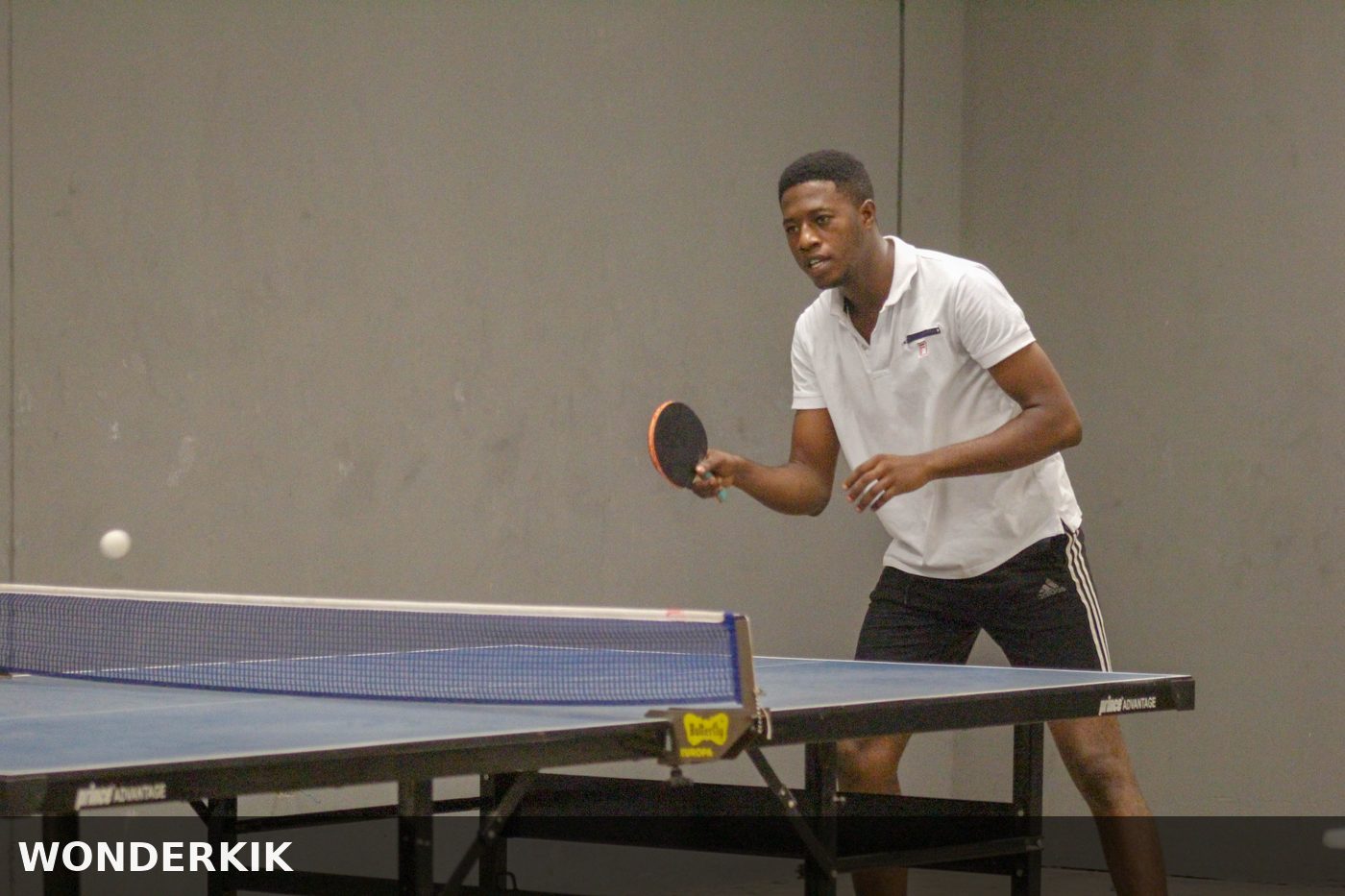
Table tennis trainees playing tennis at a training session – CC CC BY-SA 4.0 (Wikimedia Commons)
The quick comparison
Factor
Table Tennis
Pickleball
Court
9×5 ft table
44×20 ft court
Equipment
Paddle $15–30 + table access
Paddle $30–80 + court access
Ball
40 mm plastic, slow-ish, spin-sensitive
Perforated plastic, slow, forgiving
Serve
Overhand toss, strict rules
Underhand, relaxed rules
Learning curve
Steep — spin and blade angle matter early
Gentle — basics click in one session
Movement
Burst footwork, fast hands
Court coverage, lateral steps
Impact on joints
Very low
Low
Social accessibility
Portable, any table
Outdoor/indoor courts, easy groups
Easier to start: pickleball
If “easy” means having fun in your first 15 minutes, pickleball wins. The ball is large, slow, and forgiving; the serve is underhand; and the reduced pace means rallies actually survive. You’ll hit a good shot within your first handful of points.
Table tennis’s first session is noticeably harder — the ball is small, the serve has three rules, and spin punishes sloppy technique from day one.
Easier to master: table tennis (arguably)
Pickleball’s very forgiving nature means competitors at every level can keep rallies alive, so winning requires strategy and patience. Table tennis has a steeper technical ceiling, but that also means a few hours of deliberate practice produces visible improvement faster. Which one feels “easier” at mastery level depends on whether you prefer technique puzzles (table tennis) or tactics (pickleball).
What transfers between them
More than you’d think. Paddle/racket feel, ball-timing, and spin awareness all carry over from table tennis to pickleball — many pickleball players got their first feel for spin at a ping pong table. The main adjustments are the underhand serve, the larger court distances, and reacting to a ball that floats rather than spins.
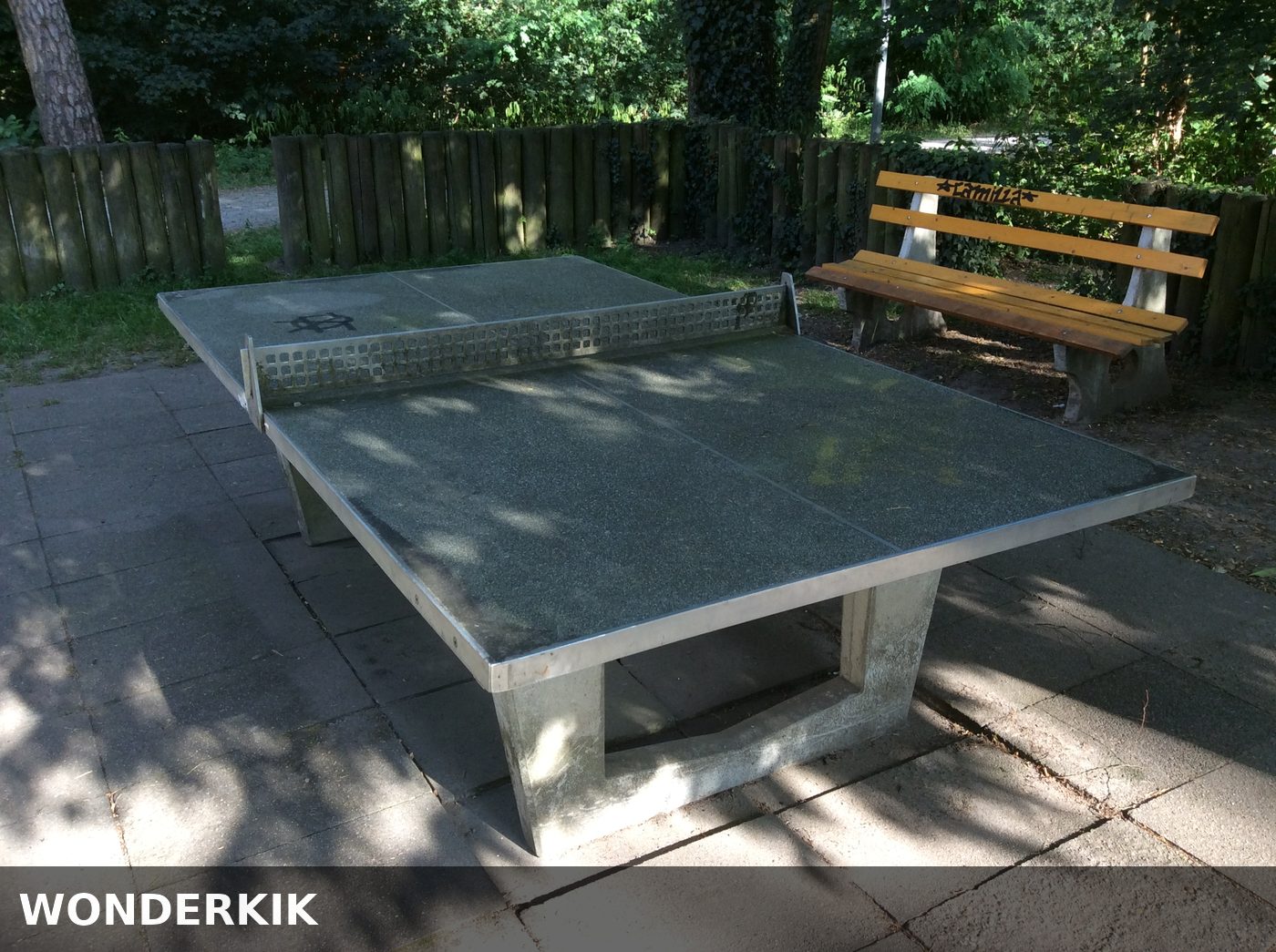
table tennis table – CC CC BY-SA 4.0 (Wikimedia Commons)
Which should you start?
Pickleball first if you want social, low-friction fun this weekend.
Table tennis first if you love technique, finer control, and don’t mind the steeper start.
Both, ideally — they share enough fundamentals that learning one genuinely accelerates the other.
Which is easier to learn, table tennis or pickleball?
Pickleball is easier to learn quickly — the larger ball, slower pace, and underhand serve make the first session more forgiving. Table tennis has a steeper skill curve because tiny paddle and spin differences matter at every level.
Which sport is more physically demanding?
Table tennis demands more fast-twitch footwork and reaction speed in bursts; pickleball demands more sustained court movement and is easier on the joints. Both are light on impact compared to tennis or squash.
Can I play pickleball if I play table tennis?
Yes, and the skills transfer better than most people expect — ball timing, paddle control, and spin awareness all carry over. The underhand serve and the larger court are the main adjustments.
Which is cheaper to start, table tennis or pickleball?
Table tennis is cheaper — a paddle costs $15-30 and a table can be found at most community centers. Pickleball needs a paddle ($30-80) plus access to a court, though public courts are usually free.
The bottom line
Pickleball is the easier first session; table tennis is the richer technique game. Both are cheap to start, kind to your joints, and small-court enough to learn a skill that transfers across racket sports. Try both once — you’ll know within an hour which one hooks you.












Recent Comments