
Pickleball
Pickleball Rules for Beginners: How to Play in 10 Minutes

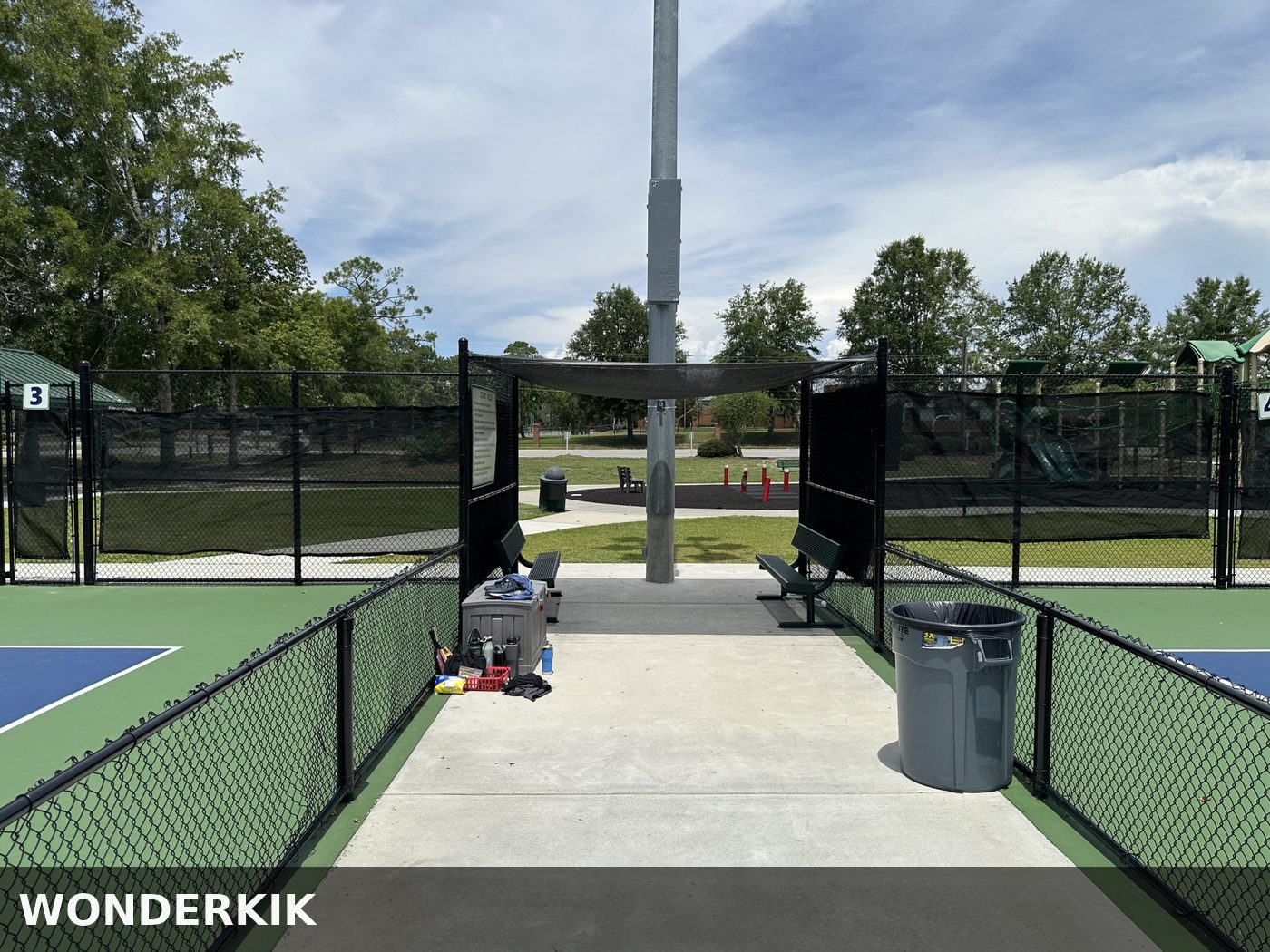
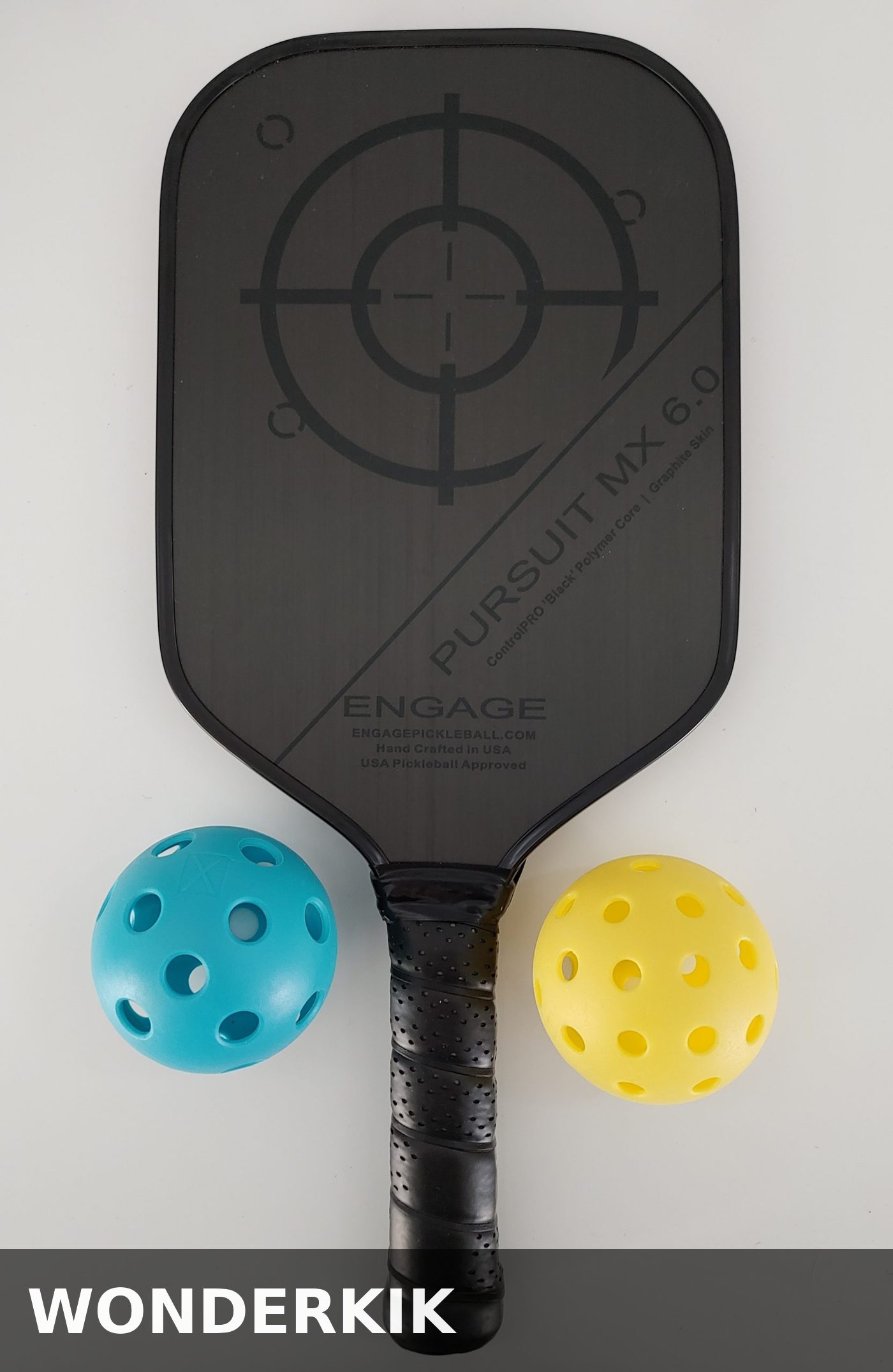
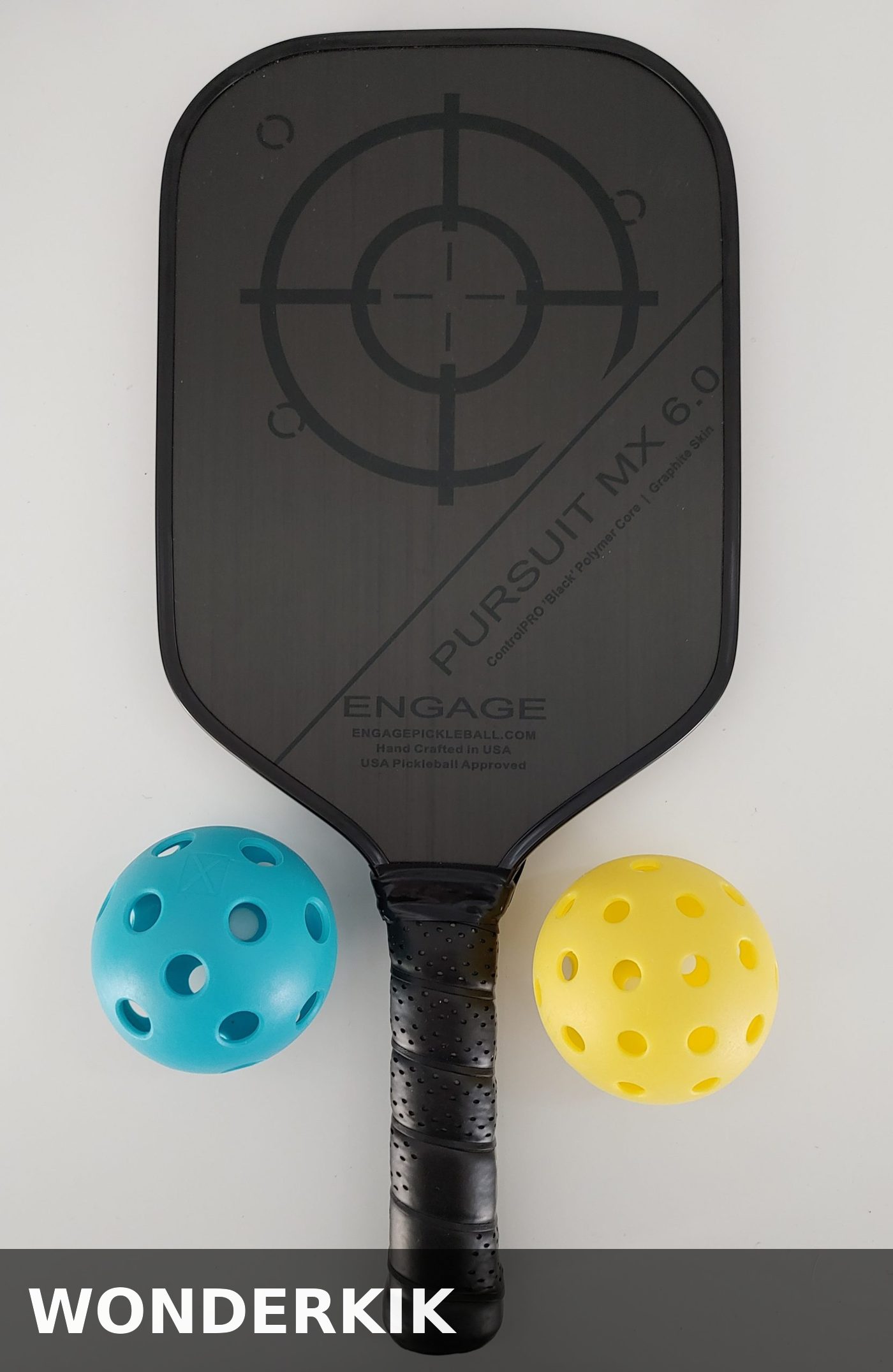
Pickleball looks easy from the stands. Two people hitting a plastic ball over a low net on a court about half the size of a tennis court. And honestly, it kind of is easy — that’s why it’s the fastest growing sport in America. But if you show up to a public court without knowing the rules, you’ll spend your first hour getting gently corrected by strangers holding paddles.
So let’s skip that. Here’s everything you actually need to know before your first game, minus the jargon.
The court, quickly
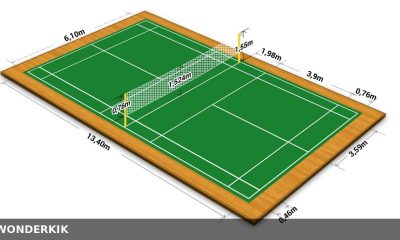
Pickleball is played on a court that measures 20 feet wide and 44 feet long — the exact same size as a doubles badminton court. The net sits at 36 inches at the edges and dips to 34 inches in the middle.
There’s one zone that matters more than anything else: the non-volley zone, usually called the kitchen. It’s the 7-foot band on each side of the net. If you’re standing in the kitchen, you’re not allowed to hit the ball in the air. The ball has to bounce first before you can hit it while standing in there.
The baseline is where you serve from. There’s also a centerline and two service courts, but we’ll get to that when we talk about serving.
The Golden Rule: the double bounce
Here’s the rule that trips up almost every beginner.
When a team serves, the receiving team has to let the ball bounce once before they return it. Then the serving team also has to let it bounce once before they hit it back. So the first two shots of every rally — the serve return and the third shot — must bounce.
After those two bounces, everything is fair game. You can step up and volley the ball straight out of the air if you want, as long as you’re not in the kitchen.
This is called the two-bounce rule, and it’s why you’ll hear people talk about the “third shot drop.” The third shot is usually a soft shot that lands in the kitchen so the serving team can move up to the net.
How serving actually works
The serve is the most complained-about skill in the whole sport, mostly because of two rules people don’t believe at first:
- It’s underhand. Not a tennis serve. Ever.
- No bounce. You hit the ball out of the air, not after a drop-bounce.
The contact point has to be below your waist, and the paddle head has to be below your wrist when you hit the ball. The motion is a swing from low to high — think of it like bowling but upward.
You serve diagonally to the opposite service court, and the ball has to clear the kitchen. It can’t land in the non-volley zone, and it can’t land on the kitchen line, because that line is part of the kitchen.
Wait for the referee in your head: when you serve and the ball lands, the receiving team lets it bounce, returns it, and then your team lets that bounce before hitting the third shot. Once the third shot lands, rally play begins — up to the net you go.
Scoring without losing your mind
Here’s the version of scoring that everything else is built on:
- Games go to 11 points.
- You have to win by 2.
- Only the serving team scores. If the receiver wins the rally, they don’t get a point — they just get the serve back.
That last one confuses people who’ve played volleyball. In pickleball you can’t score on rallies you didn’t serve, so serving is everything.
The serve itself alternates sides within your team. You serve from the right side when your score is even, and the left side when your score is odd. Each team gets two serves before the serve passes to the other side — one for each player — except at the very start of the game, when the serving team only gets one serve.
The score is called as three numbers: your score, their score, then which server you are (one or two). So “six, four, two” means you’re winning 6-4 and it’s the second server’s turn. Listen for it on public courts — it sounds intimidating for a week and then it becomes automatic.
What counts as a fault
A fault ends the rally. The most common ones:
- Hitting the ball into the net
- Hitting it out of bounds
- Stepping into the kitchen (or on the line) while volleying
- Volleying the ball before it bounces during those first two shots
- Serving into the net, into the kitchen, or out of bounds
- Hitting the ball off the court and into someone’s coffee (this isn’t in the rulebook but it happens)
That’s basically it. There’s no “jail,” no penalty box, no fouls called like in basketball. Fault means the rally’s over, and if you were serving, the serve moves either to your partner or to the other team.
One more thing: reach and line calls
Lines count as in. If the ball lands on any part of the line, it’s good — that includes the kitchen line for serves, which catches beginners out all the time.
And the buddy rule: the player closest to the ball makes the call, not the player who hit it. When in doubt, it’s in. There are exactly zero people who became pickleball legends by arguing line calls.
Your first game in one paragraph
Serve underhand, diagonally, from the right side when your score is even. Let the return bounce, let your team’s third shot bounce, then move up and try to keep the rallies going with soft dinks into the kitchen. Don’t volley from inside the kitchen, call the lines honestly, and play to 11. Whether you win or lose, you’ll way more likely pick up the game in one afternoon than you would with golf.
Now go grab a public paddle and a court with a friendly group of strangers. That first serve isn’t going to hit itself.
Pair this with a visual guide to court dimensions and how a game is scored and you will be ready for real play.
Rulebook to paper: our free printable cheat sheet covers the tennis rules, pickleball rules, and all the racquet sports in two pages.











Nový starosta Košíc má 37 rokov, no v politike už strávil polovicu svojho života

Slovenský spisovateľ prišiel o vydavateľa po tom, čo v súvislosti s knihou o Milanovi Lasicovi konal proti vôli rodiny

Michelin zaraďuje dva bratislavské hotely medzi najlepšie miesta na ubytovanie na svete

Veľký a cenovo dostupný: Volvo ohlasuje nový objemový model pre Európu

Slovensko si zvolilo svoje Auto roka. Verejnosť súhlasí s odborníkmi.

Ústredná volebná komisia sa stretla s medzinárodnými pozorovateľmi z viac ako 14 krajín

A woman with Ebola in Nigeria has been confirmed as the wife of a Swiss diplomat.

76ers’ Jaylen Brown does not have beef with Jayson Tatum, but he has ‘lamb chops and gravy’.
Keelon Russell (3 touchdowns) and No. 13 Alabama pull away from Texas A&M.

Komunálne voľby 2026: Vallo chránil Bratislavu a Lörinc povedie Košice! Zmeny zažijú aj Trnava a Trenčín.
“Miwa Harimoto: Age, Career, and Table Tennis’ Teenage Phenom”

“Elena Rybakina: World No. 1 2026, Wimbledon Title, and the Kazakh Breakthrough”

“Viktor Axelsen: Olympic Gold, Retirement, and Badminton Career Legacy”

“An Se-young: Career Titles, Rivalry with Yamaguchi, and Badminton’s Reigning Force”

“Agustín Tapia: Career, Titles, and the Artist Behind Coello’s World No. 1”

“Ben Shelton: Serve Speed, Career, and America’s Rising Star”

“Gabriel Tardio: Career, Partner, and Bolivia’s Pickleball Star”

“Satwiksairaj Rankireddy & Chirag Shetty World No.1, Asian Games Gold & Career Stories”

“Anna Bright Power Game and Mixed Doubles Partnerships”

Recent Comments