“Tennis knees” is a phrase generations of players use like a rite of passage. But it shouldn’t be normal — it’s the predictable result of an overuse pattern: stop-start sprinting on a hard surface, played for years on tired legs.
The pain is usually patellar tendonitis or meniscus irritation, and it’s almost always fixable with training rather than surgery. Here’s what’s actually happening to your knee and what to do about it.
Health note: performance advice only. Locking, swelling, or giving-way needs a professional.
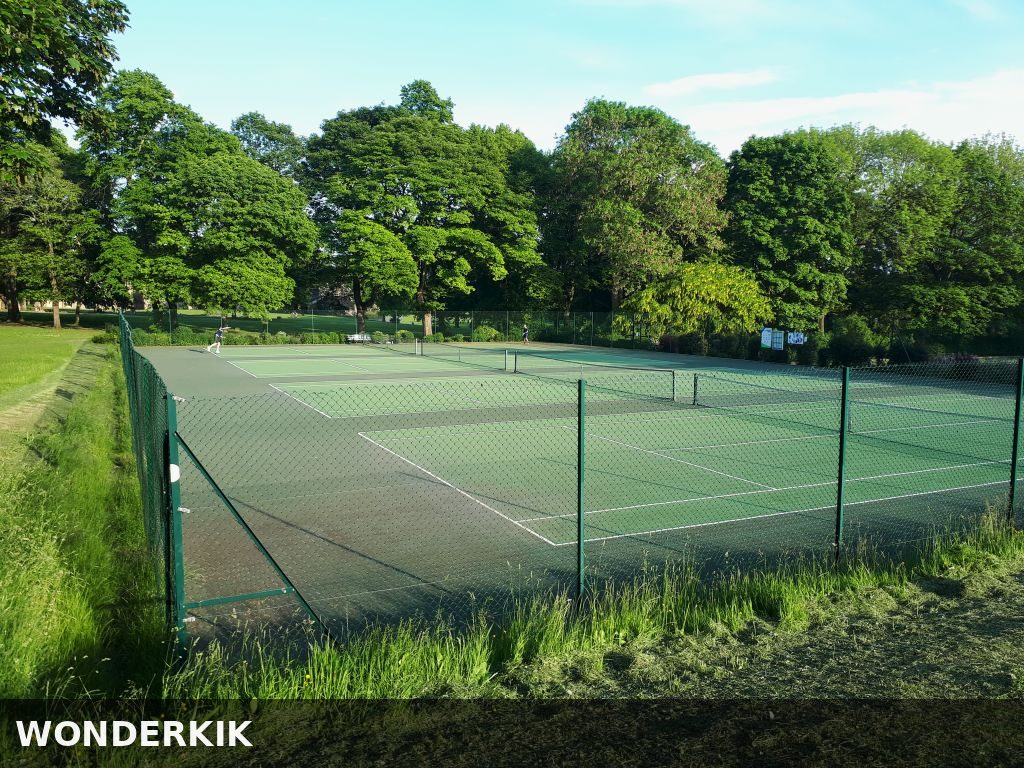
Evening tennis match, Kirkstall Abbey – CC CC BY-SA 2.0 (Wikimedia Commons)
The mechanics of a tennis knee
Every rally finishes with a brake. You split-step, plant, and push off — the patellar tendon (which carries the kneecap’s power) absorbs that jolt dozens of times a set. Two factors turn that into pain:
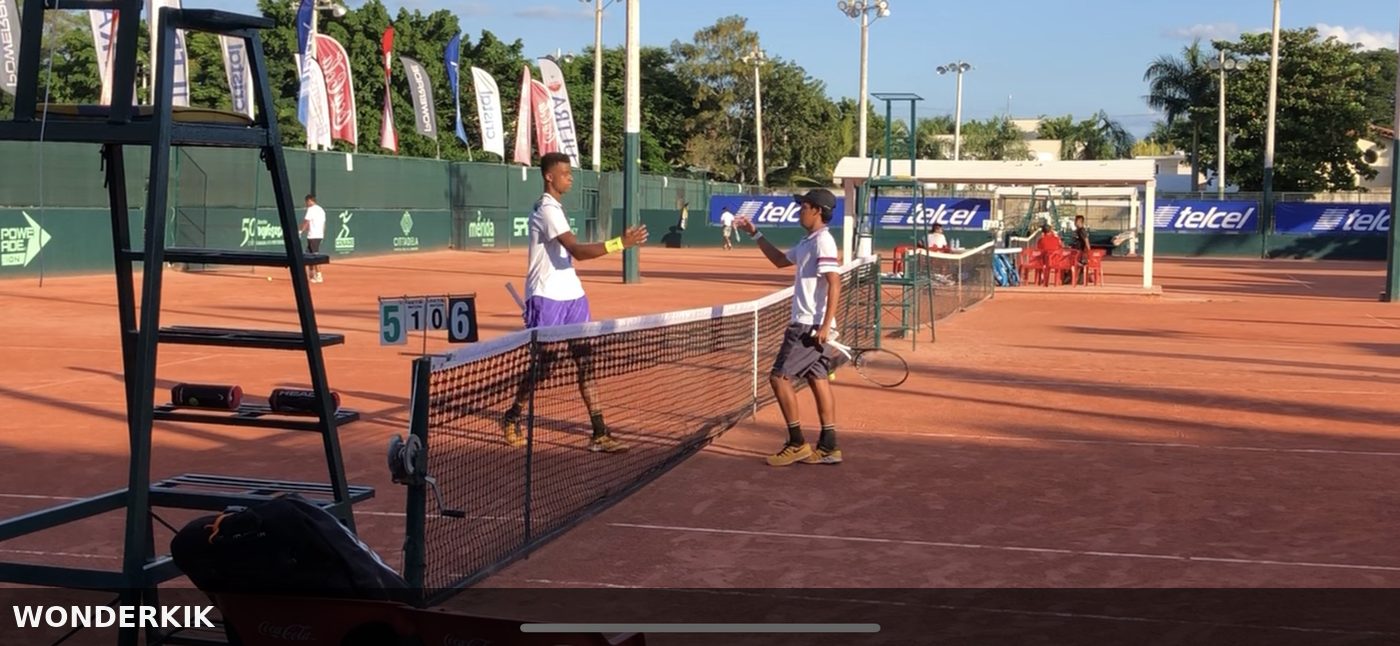
Hard surfaces. Acrylic-over-concrete courts transmit the landing shock almost untouched.
Tired legs. Late in a session, quad and glute control fades, and the tendon cops the slack.
Category: the two tennis knee patterns
Pattern
Felt where
Typical cause
Patellar tendonitis
Under/around kneecap
Loading on hard courts, jumping to big forehands
Meniscus irritation
Inside or back of knee
Twisting stops (especially on tired, bent legs)
Colloquially, the first is the “jumper’s knee” of the tennis court; the second follows sudden direction changes on hard surfaces.
The 2-session-a-week knee cure
Exercise
Sets × reps
Job
Wall sit (45°-90°)
3 × 45s
Quad endurance — the knee’s shock absorber
Step-downs
3 × 10 per side
Control on the plant step
Clamshell / hip abduction
3 × 15 per side
Hip strength that offloads the knee
Calf raises
3 × 20
Landing control, Achilles protection
Court choice is training, not luxury
If your knees flare, surface matters more than any insole. Hard courts are the harshest; clay and softer surfaces absorb the bounce. A player who spends two hard years on acrylic and gets pain may need only a surface change to keep playing — no surgery, no retirement.
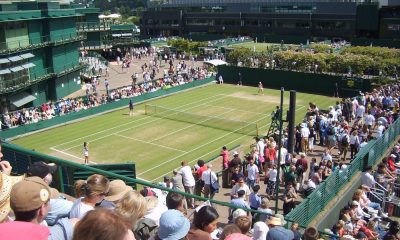
Sports and recreational activities took place at the Annex, an old house and yar – CC No restrictions (Wikimedia Commons)
Frequently asked questions
Why does tennis hurt my knees?
Tennis is stop-start on a hard surface — every rally ends in a sudden brake that loads the patellar tendon and meniscus. Hard courts and tired legs turn that normal load into overuse pain.
What knee injuries do tennis players get?
Patellar tendonitis (jumper’s knee) is most common, plus meniscus irritation from sudden rotational stops. Knee pain from tennis usually develops gradually from loads, not one big incident.
Can court surface cause knee pain?
Yes. Hard courts (acrylic over concrete) transmit the most shock; clay absorbs the most. If knees flare on hard courts, playing on clay or softer mix surfaces cuts the load noticeably.
How do I fix tennis knee pain?
Quad and glute strength 2x/week, slow down the big hit, play off the baseline less when it flares, and switch to a softer court when available. Patellar support straps are a patch, not a cure.
The bottom line
Tennis knees aren’t inevitable — they’re the bill for stop-start load on hard surfaces with under-trained legs. Two strength sessions a week plus a softer court get most players back to pain-free play. The sooner you build the legs, the longer the knee lasts.
Racquet sports player and writer covering pickleball, padel, tennis, badminton, and squash. Former collegiate tennis player turned recreational pickleball enthusiast. Jackson writes beginner-friendly guides to help new players get on court faster.









Recent Comments