If you’ve played tennis, you already know half of padel — the scoring, the general shape of a rally, even the word “love.” The other half will surprise you, because padel deliberately flipped the tennis rulebook around in its own weird, wonderful way.
Here are the seven differences that actually change how you play, ranked from “you’ll notice immediately” to “you’ll notice in week three.”
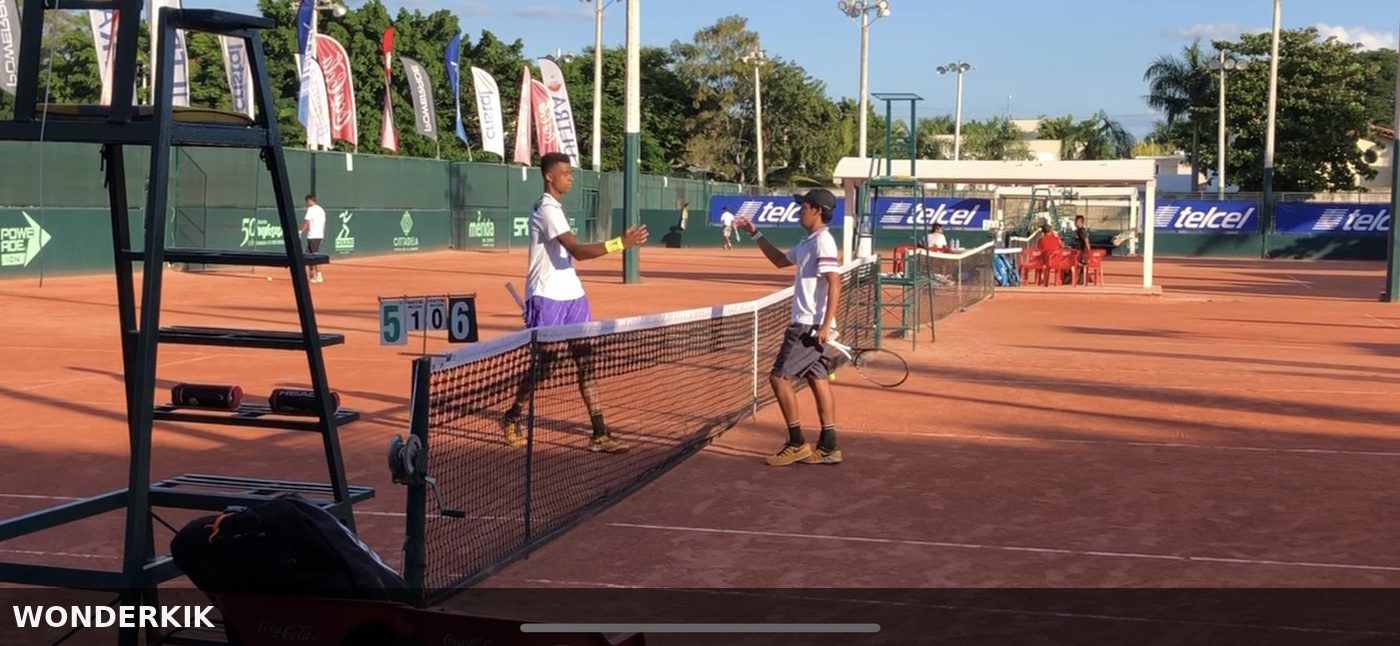
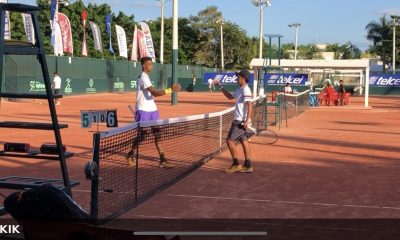
“French tennis player vs. Mexican tennis player in a international pro tournamen – CC CC BY-SA 4.0 (Wikimedia Commons)
1. The court is half the size and has walls
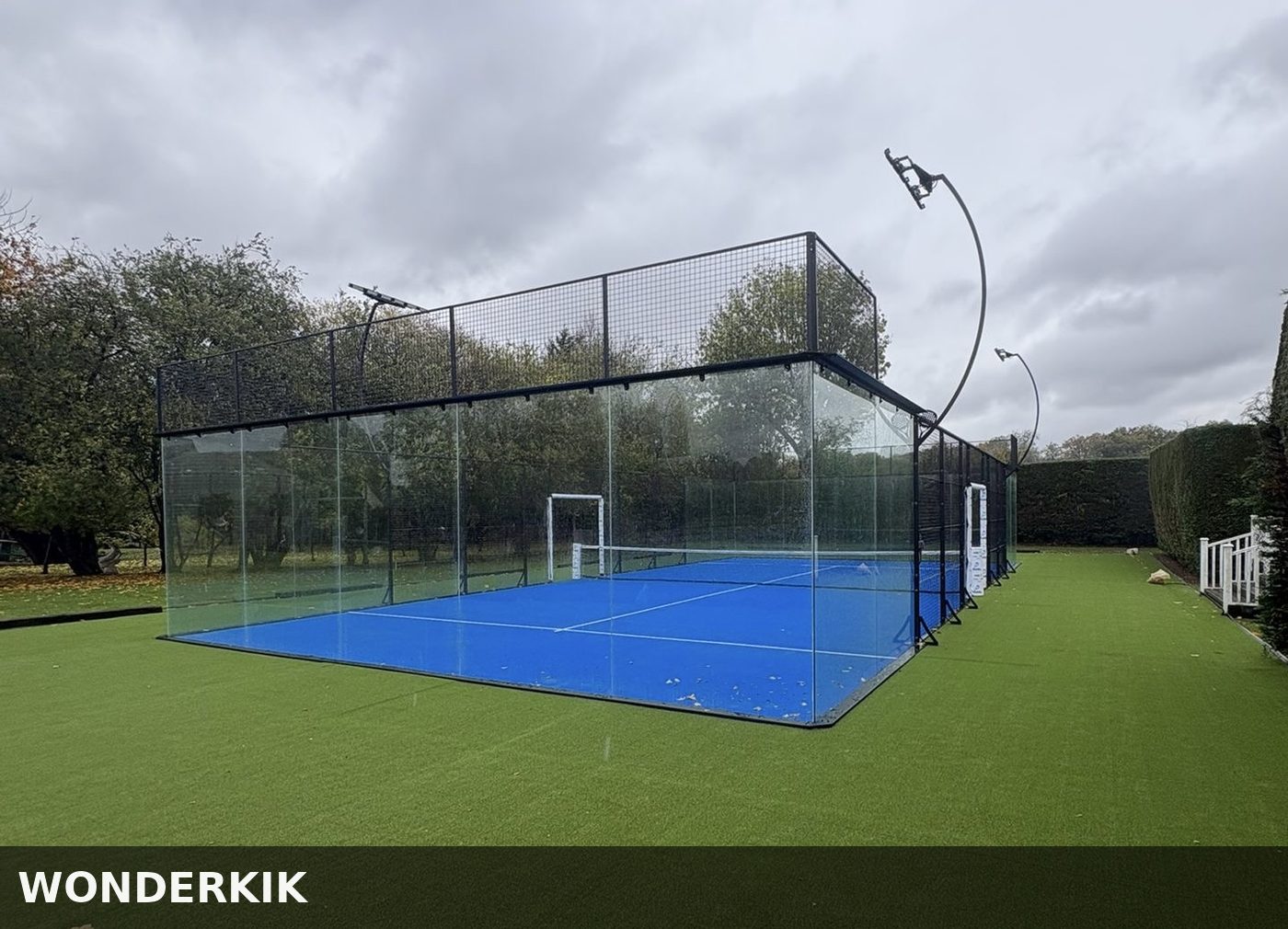
A tennis court is 23.77 metres long and 8.23 wide with endless open space around it. A padel court is 20×10 metres with glass and mesh walls closing you in. Every smash that would be a winner in tennis comes screaming back at you off the glass in padel. That’s not a bug — it’s the sport’s entire personality. Placement beats power because there’s nowhere for power to hide.
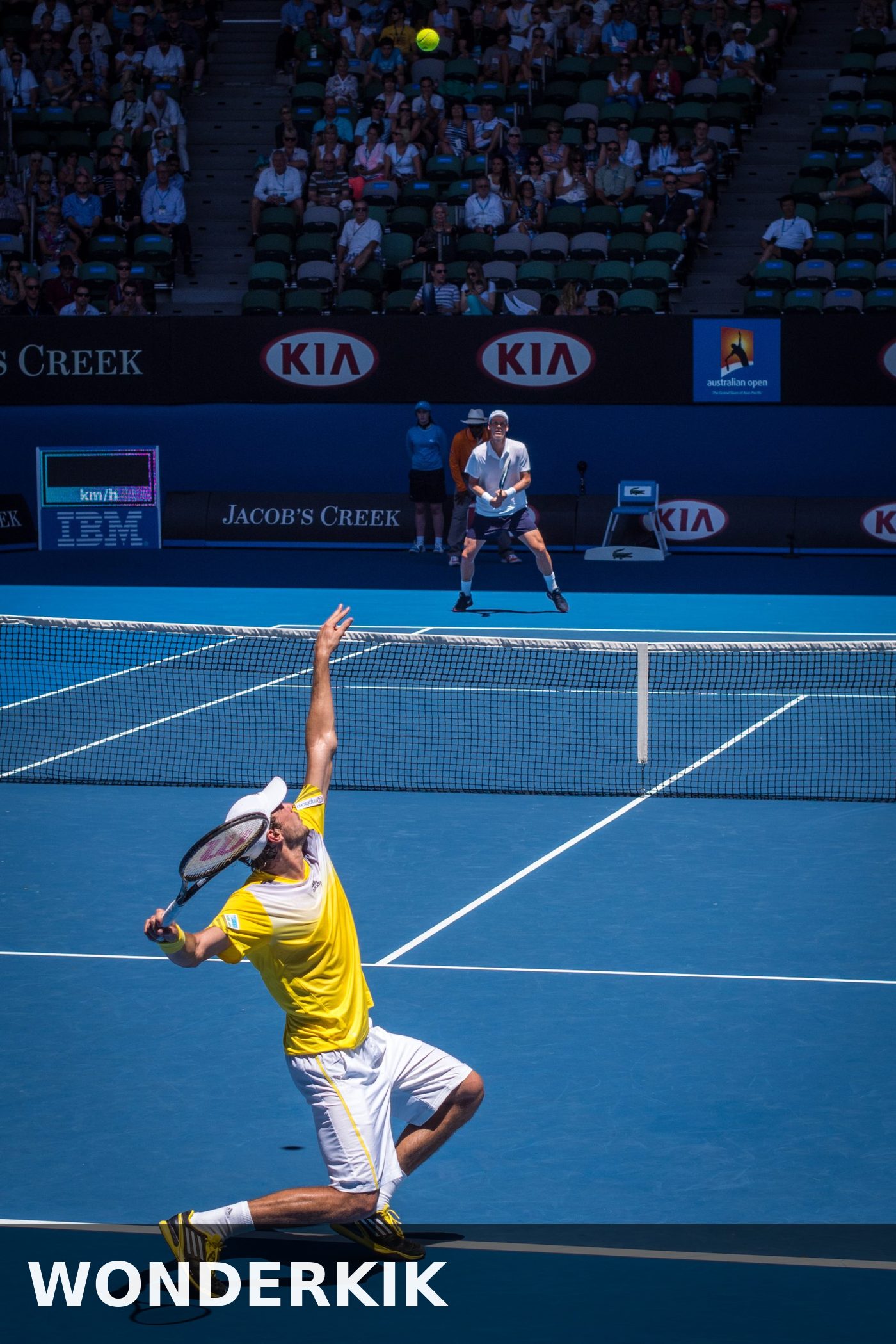
Guillaume Rufin serves to Tomas Berdych at Rod Laver Arena in the 2nd round of t – CC CC BY-SA 3.0 (Wikimedia Commons)
2. Padel is doubles-only
Tennis has singles and doubles. Padel is basically always 2v2. Officially doubles only — no singles format in the rulebook. That makes it a social sport by default: you’re never alone, you’re never the clear villain, and your partner’s mistakes are as much your problem as yours. For a beginner hooking on, that’s usually a feature.
3. The serve is underhand
This is the tradition-health bit. A tennis serve is a full overhead explosion — one of the hardest techniques in any sport, and the biggest honest advantage of a tall player. The padel serve is underhand, under the belt, with a bounce — designed flat-out to prevent an overpowering serve. A serve that ends the point is basically a bug in padel. So the serve stops being an athletic event and starts being a formality, which levels the playing field between weekend warriors and 6-foot-tennis-refugees.
4. Walls are in play; the ball bounces on floor first
In tennis, a ball that hits a wall is dead — it’s just scenery. In padel, the glass is legal. Let the ball bounce once in your court, and you can play it straight off your own back glass. On the opponent’s side, the ball has to hit the floor before touching a wall, or it’s out. This one rule is the whole strategic revolution: it adds an extra bounce worth of time to every defensive shot, which means rallies survive, angles multiply, and the game’s pacing changes completely.
5. Rackets, not rackets-with-strings
A tennis racket has strings, weighs roughly 300 grams, and a big head that generates spin through string snap. A padel racket is solid, drilled with holes, and weighs 360–390 grams. No strings, no giant sweet spot, less power — but more control. Because the walls keep the ball in play, you don’t need a weapon; you need an instrument. That’s also why tennis players will tell you padel “feels dead” until they adjust. It does, for about a week.
6. The pace is slower, the points are longer
Average rally time in tennis: a handful of seconds, often ended by a big serve or a baseline winner. Average padel rally: considerably longer, because the walls extend every point. This is physical in a different way — less explosive sprint, more constant shuffling and positioning. You’ll sweat, but you won’t spend a set watching aces fly by.
7. Learning curve and entry cost
Tennis has a notorious early phase: hours of balls bouncing off your frame before you can rally. Padel gets you rallying on day one because the court is small, the walls rescue you, and the serve is easy. Gear is cheaper (a decent padel racket is cheaper than a comparable tennis racket), court time is the cost that adds up, and the doubles format means you’re learning with three other people instead of staring across a huge empty court.
Who is each game for?
Choose tennis if: you love singles, you want an athletic challenge with a deep skill ceiling, you’re young and ambitious about the sport, or you already play tennis and just want padel as a change-up.
Choose padel if: you want to start playing this weekend, you prefer doubles and social play, your shoulder dislikes overhead serves, or you’ve outgrown “keep the ball from hitting the net” and want a game with more brains than brawn.
Both are addictive. Padel just made the onboarding friendlier — and then hid a genuinely deep game behind those friendly walls.
The one difference that decides it for most people
Be honest with yourself: half of you is looking for a game you can actually play next week. Padel hands that to you. The other half is looking for the eternal challenge — singles, power, ranking the ladder. That’s tennis.
You can also do what most smart players do: play both. Padel on Tuesday with the office crew, tennis on Saturday against your friend who still thinks their serve counts.
Racquet sports player and writer covering pickleball, padel, tennis, badminton, and squash. Former collegiate tennis player turned recreational pickleball enthusiast. Jackson writes beginner-friendly guides to help new players get on court faster.















Recent Comments