
Pickleball
How to Choose a Pickleball Paddle (What Actually Matters)

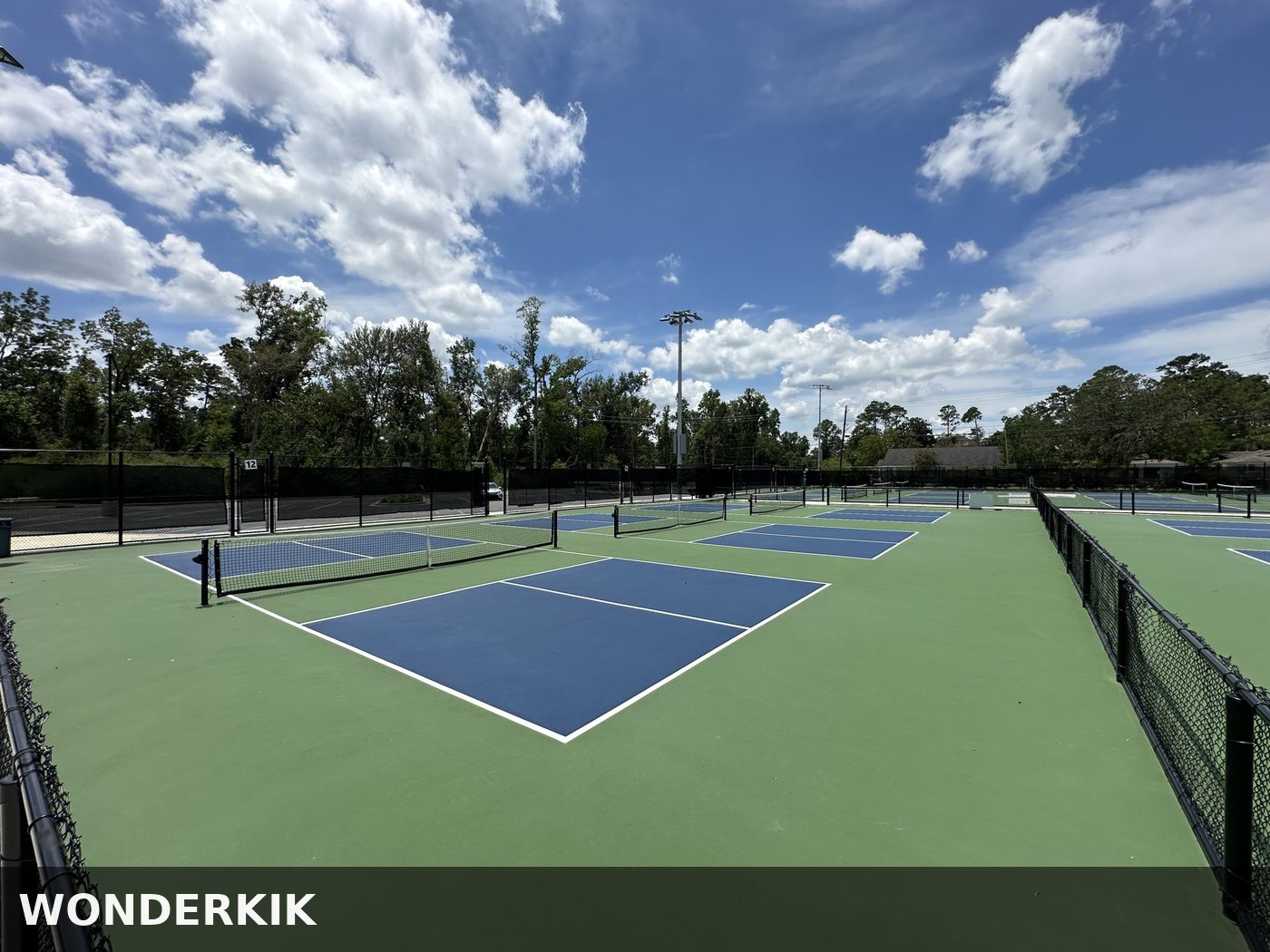
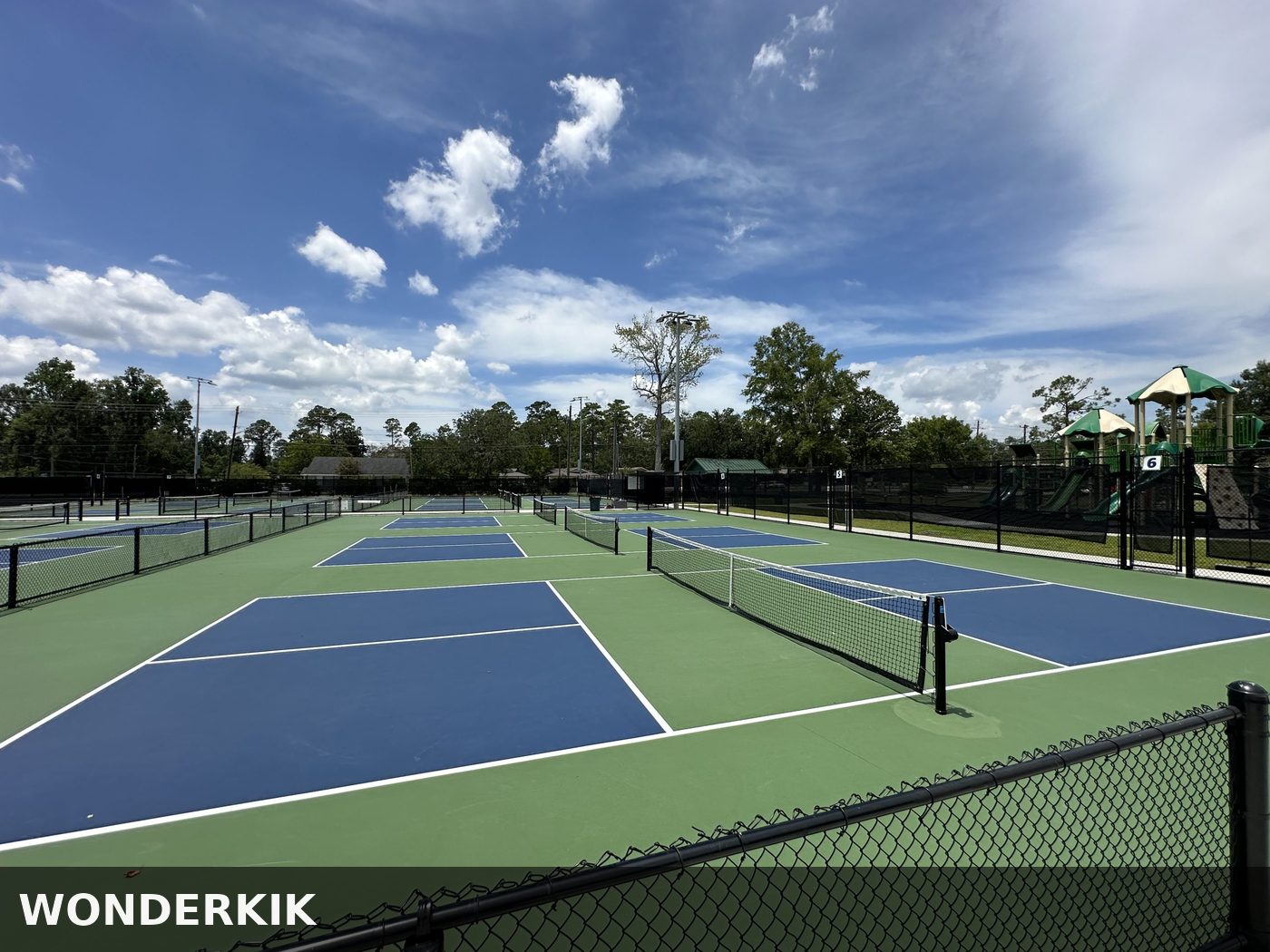
There are probably two hundred pickleball paddles on the market right now, spread across about twenty brands, and nearly all of them cost more than you want to pay. The catalog is overwhelming on purpose. Rack up a search for “best pickleball paddle” and you’ll drown in sponsored lists of expensive composite paddles with a stranglehold of marketing terms attached.
Here’s the thing: choosing a paddle isn’t actually that deep. It’s three numbers and one honest conversation about your body. Learn those, and the marketing noise disappears.
The three numbers that decide everything
1. Weight — the most important, least discussed
Every paddle falls into one of three buckets:
- Light (6.5–7.3 oz) — fast swing, easy to control at the net, easier on the shoulder. Sacrifices power.
- Mid (7.5–8.3 oz) — the all-rounder most players end on. Balance of power and control.
- Heavy (8.4+ oz) — more plow-through on the ball, more power, but your arm feels it in the third game.
If you’ve never owned a paddle, start mid (around 7.8–8.0 oz). You’ll feel what you need more of within a month — and your next paddle will be a more informed decision. If you’re a senior player or coming back from a shoulder issue, go light. If you’re a strong, aggressive player who hates blocked shots, lean heavy.
The honest test: hold one of each weight in a store and swing them fifteen times, not three. The one your arm doesn’t complain about after fifteen swings is the one.
2. Face material — where the marketing lives
Paddle faces come in three real materials:
- Plastic/beginner (polypropylene or similar composite) — $25–60. Slow, dampened feel. Totally fine for your first six months.
- Graphite/fiberglass — $80–140. Lighter, more pop, crisper feel. The sweet spot for most club players, value-wise.
- Raw carbon fiber — $140–280. Tournament-grade spin and responsiveness. Worth it only if your game already demands it.
Ignore everything that says “aerospace,” “pro,” or “tour” on a paddle under $100. If they were handing out free wins, they wouldn’t be charging $80 for them.
3. Grip size + length
Grip matters more than you’d think and less than the internet says. Rule of thumb: with the paddle facing up, your middle finger should just touch the palm of your hand when you wrap. A grip that’s too small makes you squeeze harder and wheres out your forearm fast.
Paddle length is simpler: 15.5–16 inches. Longer = more reach for dinks and reset; shorter = more maneuverable at the kitchen line. Unless you’re a 6-foot-tall kitchen troll trying to reach everything, standard length is fine.
The two questions nobody asks you
What level are you actually at?
Not “what level would you like to be,” the level you are today:
- New player (first 6 months): a mid-weight, polymer-faced paddle under $80. An expensive paddle won’t fix bad technique.
- Club regular: graphite or fiberglass, mid-weight, $90–150.
- Tournament hopeful: start raz-KA-ling about carbon fiber only once your tournament results say you need it.
How’s your arm?
Shoulder rotator, tennis elbow, or general middle-aged arm complaints — and let’s be honest about demographics — point you to light-weight (under 7.5 oz) and a larger grip. There’s good evidence that a bigger grip, not a bigger paddle, is what protects your elbow. A 4.25-inch grip costs you nothing and might save you a year of clicking.
What to skip entirely (the traps)
- “Limited edition” faces in exotic colors with “one-of-a-kind spin” — spin mostly comes from the ball, then from technique, then from the paddle. Real order, sorry.
- Paddles with huge sweet-spot claims — every paddle claims this.
- Anything you’re buying to match your Instagram feed. Buy for your arm.
A price-aware buying flow
- Decide your budget before you look. $60–90 is the honest sweet spot for a first quality paddle.
- Pick weight mid (7.8–8.0 oz).
- Pick face: polymer for your first, graphite for your second.
- Grip size: 4.25 if you’re unsure; smaller if you have small hands.
- Read two reviews, not twenty. Trust the one that talks about weight.
That sequence will land you in the right 85% of paddles for your game within half an hour. The remaining 15% is feel — and only time on court gives you that.
Your first paddle should be boring
Honestly, the best first paddle is a plain mid-weight polymer with a standard grip. It won’t win you an award on a forum, it won’t be in a sponsored list, and it will do exactly what a paddle is supposed to do: not get between you and the ball.
After a few months, when your dinks land where you want, your drives carry, and you notice the paddle’s ceiling — then go spend the money. The second paddle is the one where you actually know what to buy.
Settled on specs? Here are the best beginner paddles for 2026.











Nový starosta Košíc má 37 rokov, no v politike už strávil polovicu svojho života

Slovenský spisovateľ prišiel o vydavateľa po tom, čo v súvislosti s knihou o Milanovi Lasicovi konal proti vôli rodiny

Michelin zaraďuje dva bratislavské hotely medzi najlepšie miesta na ubytovanie na svete

Veľký a cenovo dostupný: Volvo ohlasuje nový objemový model pre Európu

Slovensko si zvolilo svoje Auto roka. Verejnosť súhlasí s odborníkmi.

Ústredná volebná komisia sa stretla s medzinárodnými pozorovateľmi z viac ako 14 krajín

A woman with Ebola in Nigeria has been confirmed as the wife of a Swiss diplomat.

76ers’ Jaylen Brown does not have beef with Jayson Tatum, but he has ‘lamb chops and gravy’.
Keelon Russell (3 touchdowns) and No. 13 Alabama pull away from Texas A&M.

Komunálne voľby 2026: Vallo chránil Bratislavu a Lörinc povedie Košice! Zmeny zažijú aj Trnava a Trenčín.
“Miwa Harimoto: Age, Career, and Table Tennis’ Teenage Phenom”

“Viktor Axelsen: Olympic Gold, Retirement, and Badminton Career Legacy”

“Elena Rybakina: World No. 1 2026, Wimbledon Title, and the Kazakh Breakthrough”

“An Se-young: Career Titles, Rivalry with Yamaguchi, and Badminton’s Reigning Force”

“Agustín Tapia: Career, Titles, and the Artist Behind Coello’s World No. 1”

“Ben Shelton: Serve Speed, Career, and America’s Rising Star”

“Gabriel Tardio: Career, Partner, and Bolivia’s Pickleball Star”

“Satwiksairaj Rankireddy & Chirag Shetty World No.1, Asian Games Gold & Career Stories”

“Anna Bright Power Game and Mixed Doubles Partnerships”

Recent Comments