I have bad news if you’re a tennis player: the padel racket market looks like a car salesman convention that got high on its own supply. “Control,” “power,” “aerodynamic,” “carbon pro,” “elite,” — every racket promises everything, and they all cost roughly the same as a small-town parking fine for the privilege.
Good news: choosing a padel racket comes down to four details, and none of them are listed first in the marketing blurbs. Learn these four and you’ll waltz past the pricing trap.
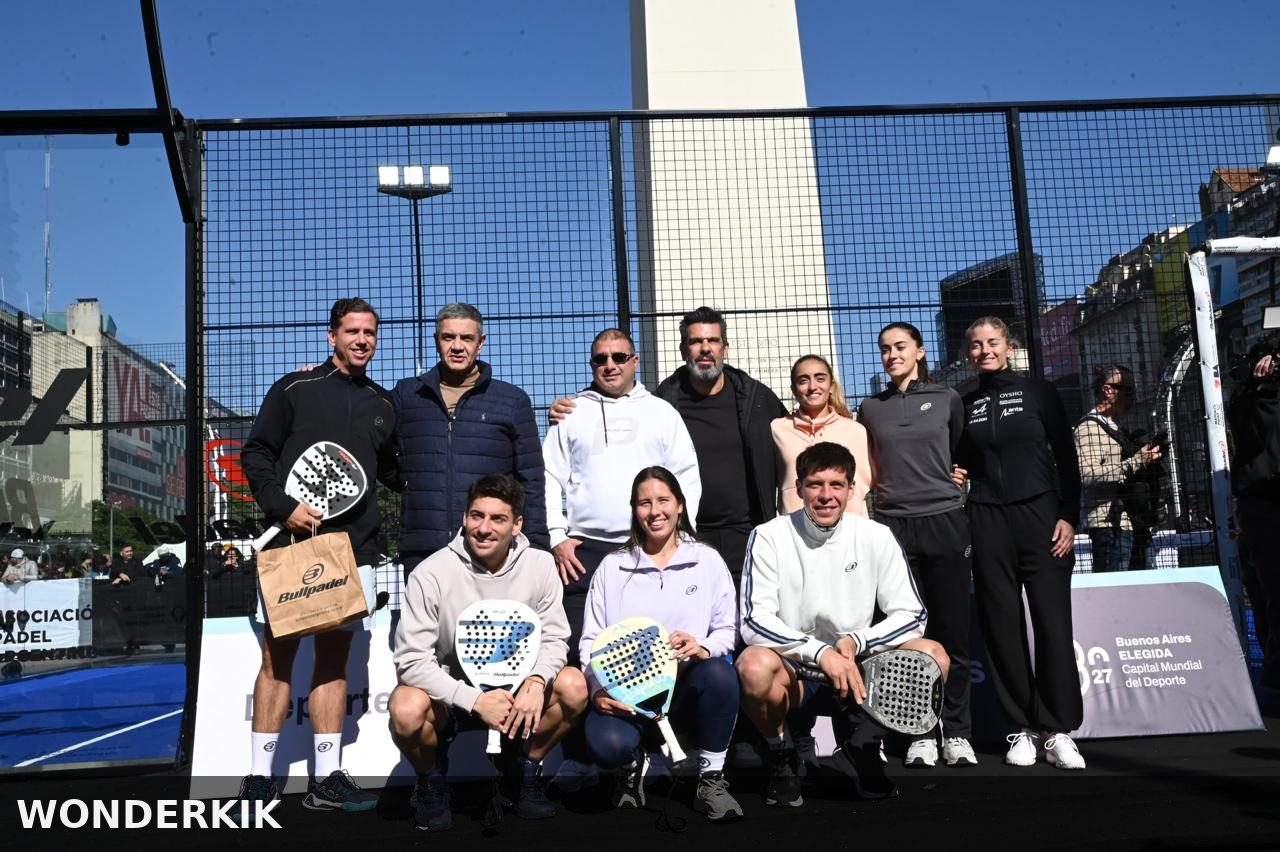
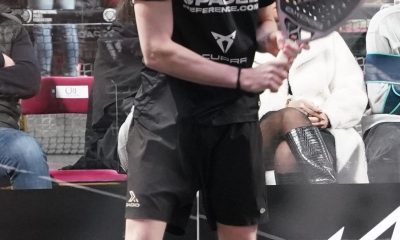
Jorge Macri during a padel exhibition at the Buenos Aires obelisk before the sta – CC CC BY 2.5 ar (Wikimedia Commons)
Shape: the decision you actually make
Padel rackets come in three shapes, and this is the single most important choice of the whole process:
Tear (drop) shape — the all-rounder. Head is narrower than round but wider than diamond. Balanced control and power, forgiving. Almost every beginner and intermediate should buy this.
Round shape — wide head, maximum sweet spot, maximum control. Less power. The “I just want rallies” option; great for defensive players and for people starting out.
Diamond shape — narrow head, tiny sweet spot, huge power. The point is the smash. Also the most unforgiving on the market. If you’re under level “I win my local tournament,” do not buy this.
Rule of thumb: wait for the day someone on court tells you your racket is holding back your power. Then consider diamond. Until then, round or tear.
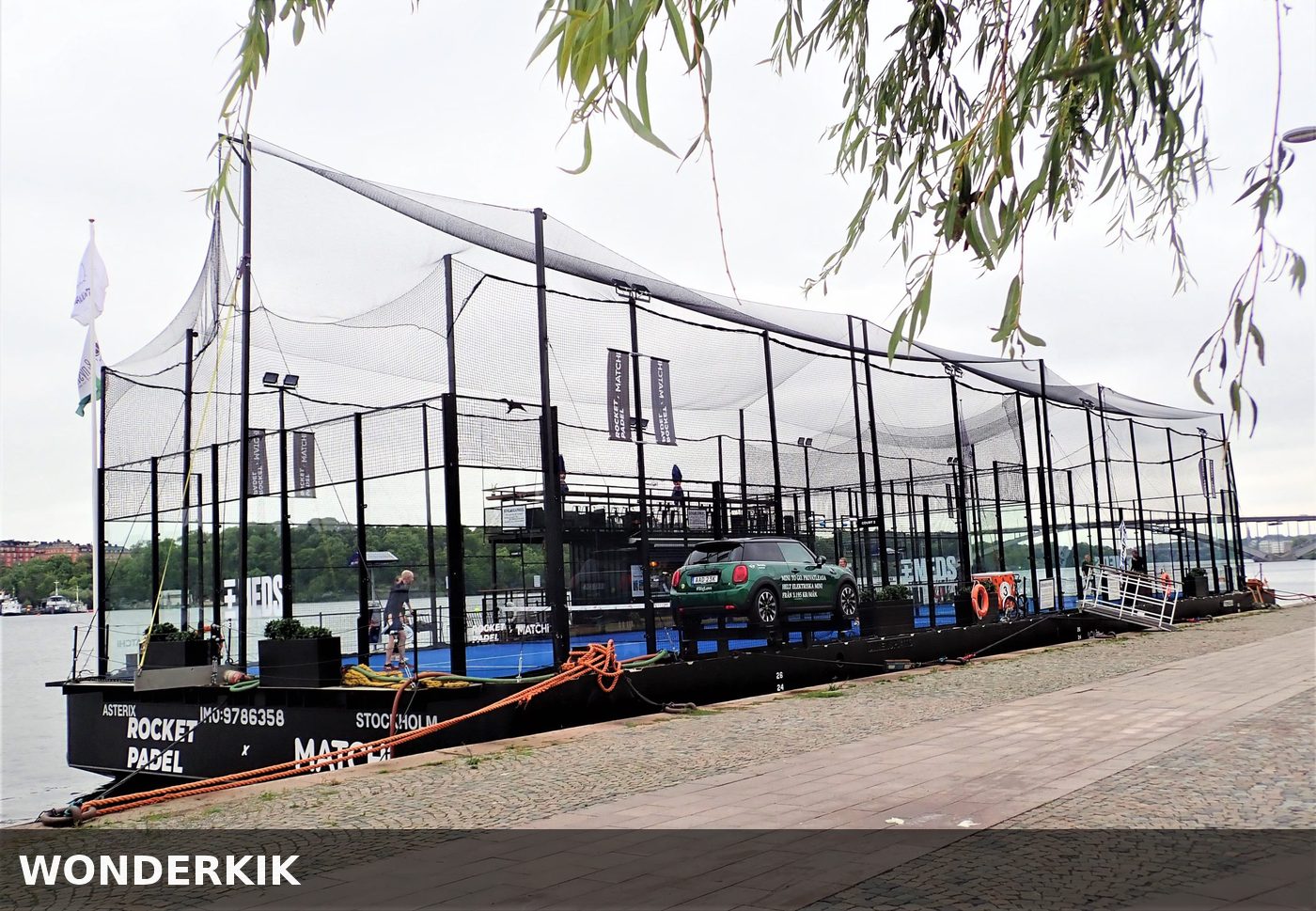
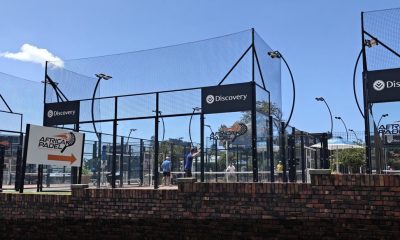
Mobile padel courts were launched in Sweden in 2021. During the summer 2021 a ba – CC CC BY-SA 4.0 (Wikimedia Commons)
Weight: the arm question again
Padel rackets run 340–390 grams — they feel heavier than tennis rackets because they are, and the weight is balanced differently.
340–360g — light and maneuverable. Easier on the shoulder and elbow (very relevant to any former tennis player). Fast at the net, needs more work to generate pop.
360–380g — the standard sweet spot for most adults. Power and control meet.
380g+ — stump-like authority on smashes, but your forearm files a lawsuit by set three.
Your level decides more than your strength: if you’re new or any part of your arm complains regularly, stay under 365g. If you’re fit, hitting hard, and fine after an hour of play, feel free mid-360s.
Material: carbon vs fiberglass, honestly
Fiberglass (often “fiber” in the copy) — $60–120. Softer, more control-friendly feel, more forgiving. The common-sense pick for your first racket.
Carbon fiber (often “carbon”) — $120–250. Stiffer, more power and spin, harder to bend into shape for beginners. The “upgrade later” material.
The honest version: if you’re reading a racket guide because you’ve never bought one, buy fiberglass. Carbon is a second-racket purchase, the moment your technique actually drives the material’s benefits. Paying $220 for carbon now buys marketing, not speed.
Grip and the hole pattern nobody checks
Grip size runs 3.5 to 5 (roughly). Wrap your hand: you want a finger-width of space between your palm and fingertips — and a slightly larger grip if you have any elbow history. Cheap to change later with an overgrip, so don’t overthink.
Hole pattern: every padel racket is drilled with holes, and the pattern shapes the feel. More holes = more dampening and control. Theoretically. In practice, average players don’t perceive the difference between hole patterns on the same price ladder — so don’t let a “unique drill pattern” barrel you into a more expensive model. It’s spec-sheet theater at your budget.
The beginner’s buying flowchart
Budget: $70–120 gets you a genuine, decent racket. I’d be skeptical of $40, and of $300.
Shape: round or tear (tear if you’d like a little more broadcast power for the same money).
Weight: under 365g unless you’re sure you want more pop.
Material: fiberglass first.
Grip: 4 (or larger if elbow issues), plus one overgrip in your bag.
Toss the rest of the catalog.
Do that and you’ll hit the correct 85% of the market, which is more than most people achieve after two hours of YouTube reviews.
The pro secret: don’t buy a racket to look the part
Every padel court has a player with a $280 diamond carbon racket who can’t stop drilling the back glass with his own volleys. The racket that makes you progress is the one that’s easy to play, not the one on the pro’s wrist strap.
Buy the boring tear-shaped fiberglass, play thirty matches, and let your game — not the catalog — tell you when it’s time to spend more.
Racquet sports player and writer covering pickleball, padel, tennis, badminton, and squash. Former collegiate tennis player turned recreational pickleball enthusiast. Jackson writes beginner-friendly guides to help new players get on court faster.













Recent Comments