Pickleball and squash are the two fast-growing racket sports of the moment, and the comparison comes up for a good reason: they’re the two sports in the racket family where you score first to 11 and it makes people wonder if they’re basically the same thing.
They are not. Pickleball is a social, low-impact paddle game on an open court. Squash is a fast, enclosed four-wall game with a rubber ball that has been called “turbo chess”. Same scoreline, totally different sport.
Here’s the blunt comparison for a beginner deciding which one to try.
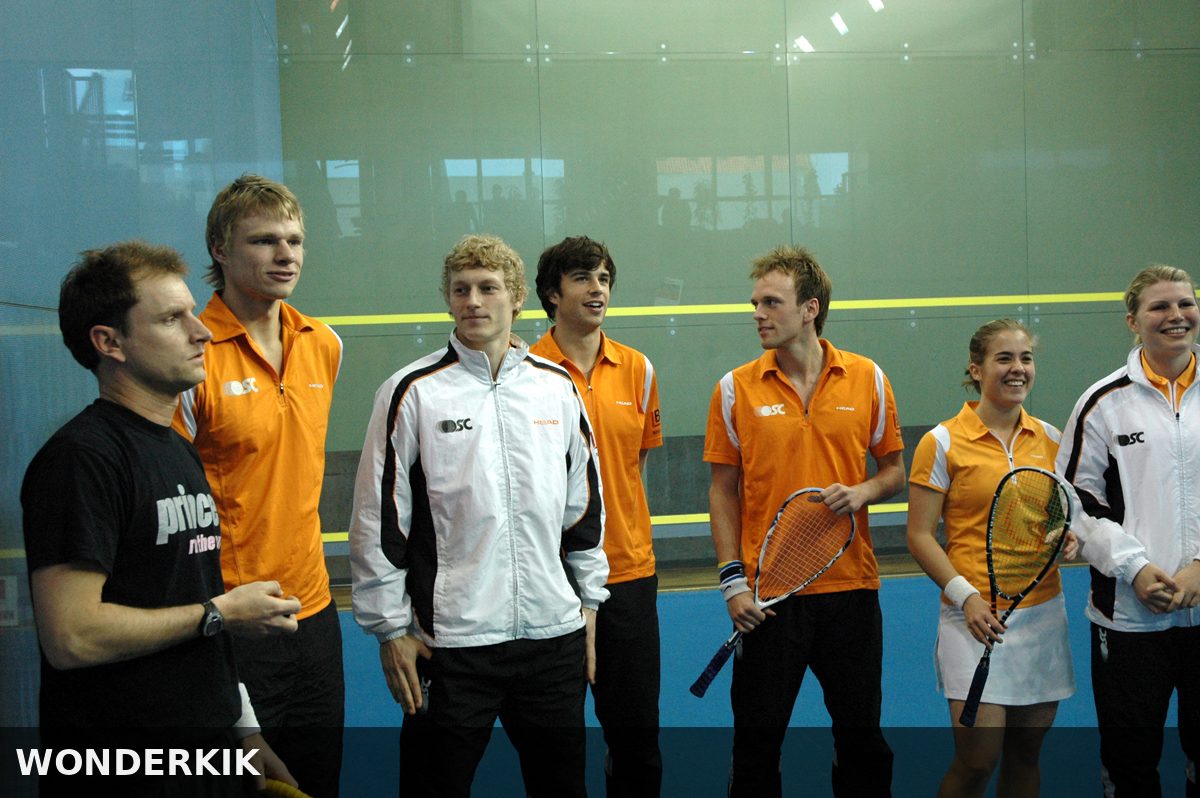
Odense Squash Klubs finalehold medaljeslutspil 2008 – CC CC BY-SA 4.0 (Wikimedia Commons)
The one-paragraph answer
If you want to have fun in your first session and keep the intensity low, start with pickleball — slower ball, bigger margin for error, open court, easier on the body. If you want the biggest workout and don’t mind a steeper first lesson, squash will challenge you more in sixty minutes than most racket sports will in a week. Athletes in their twenties and thirties often gravitate to squash for exactly that reason; anyone returning to sport, or playing socially, fits pickleball better.
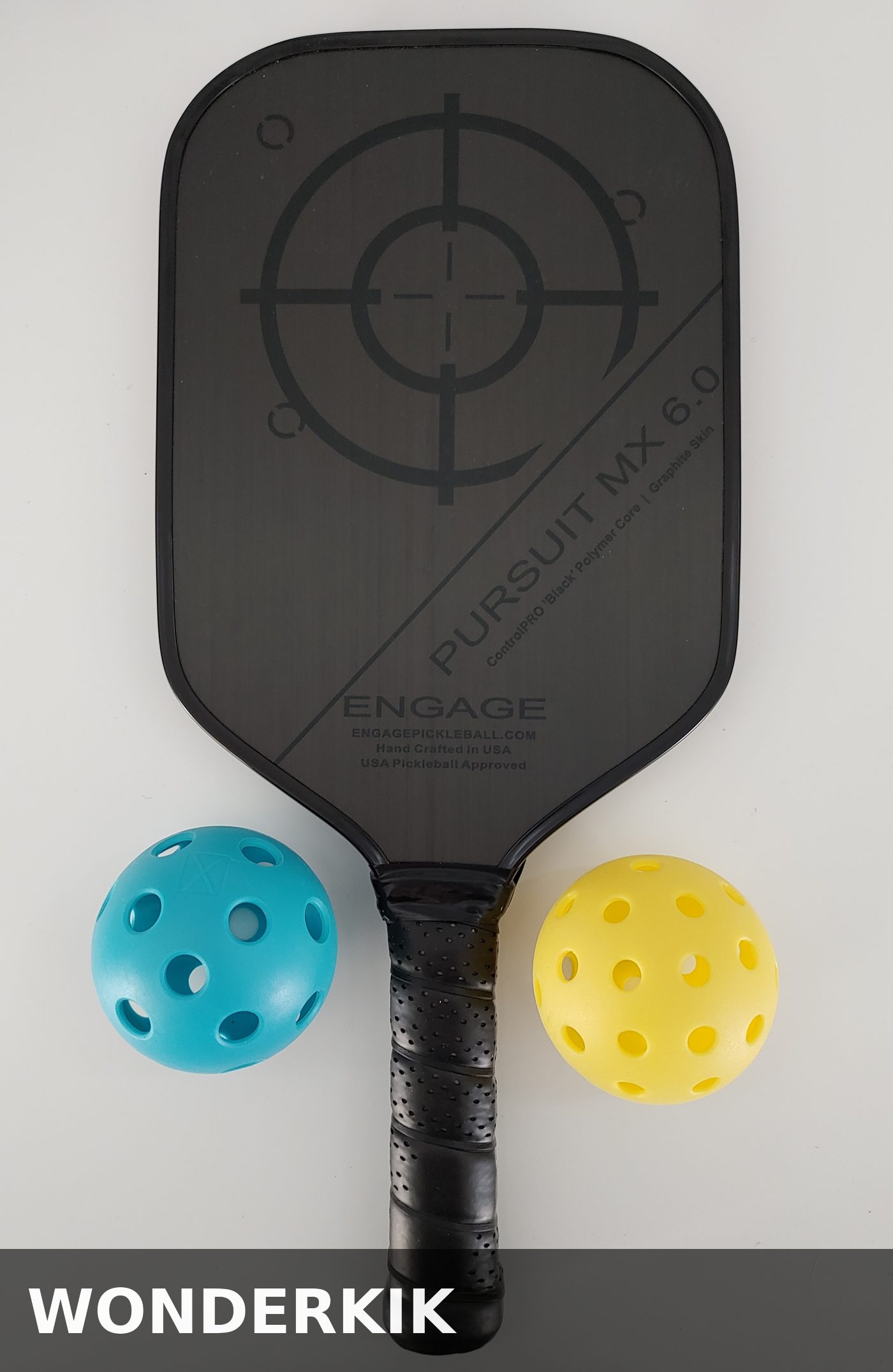
A Pursuit MX 6.0 pickleball paddle by Engage with one blue indoor pickleball and – CC CC BY-SA 4.0 (Wikimedia Commons)
Court: open air vs four walls
The big difference is the walls.
Pickleball is played on an open court, 44 × 20 feet, with a net across the middle and a non-volley “kitchen” zone near the net. The ball is a perforated plastic whiffle ball that flies slowly and predictably.
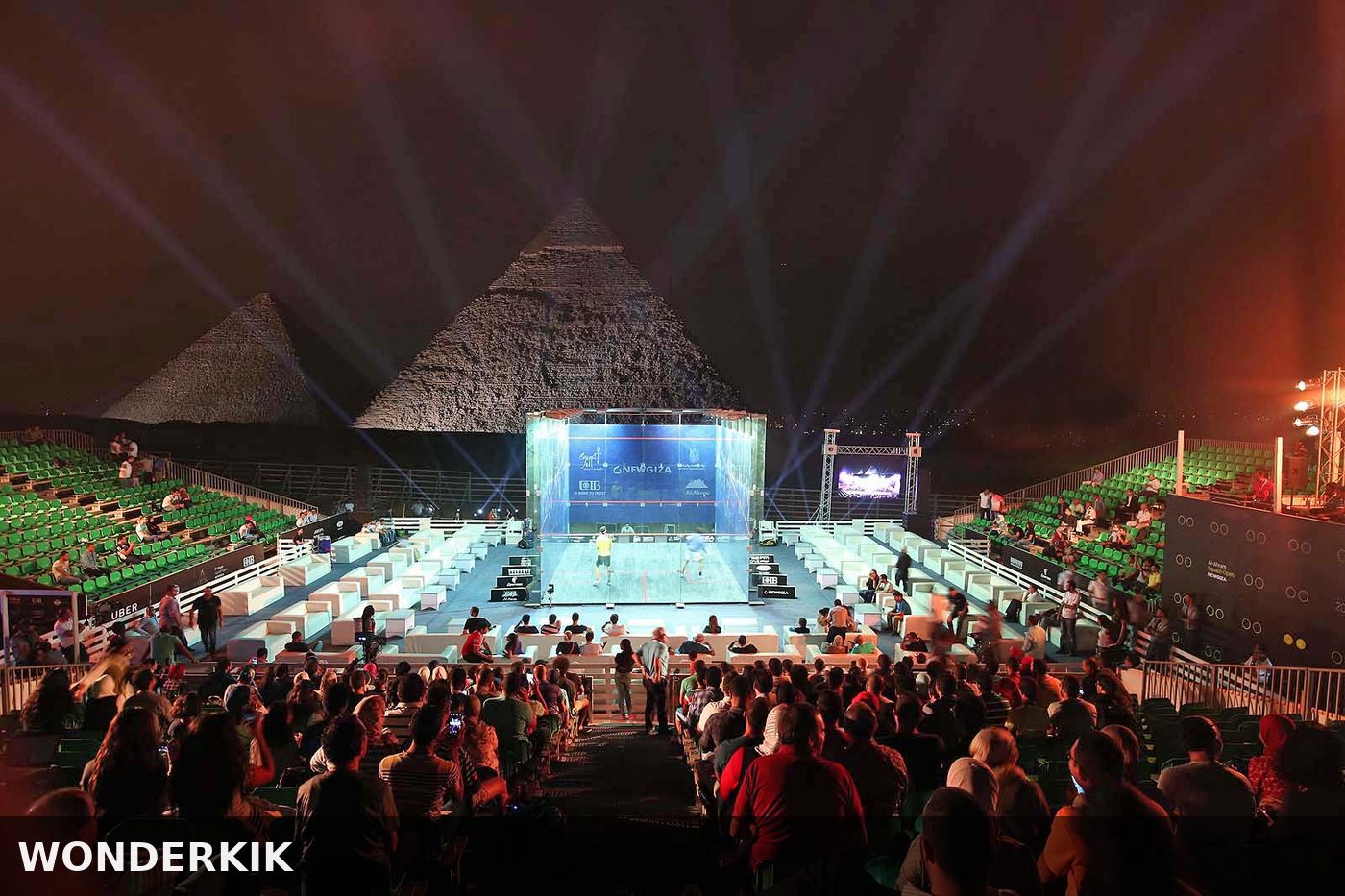
Squash is played inside a 32 × 21 foot room — four walls, no net. The ball is a small rubber squash ball that you hit against the front wall, and it can rebound off every wall in the room.
Every rule difference between the two sports comes back to that one fact. Squash has no kitchen and no net; instead it has out lines, a tin, and lets and strokes when players get in each other’s way.
Equipment
Pickleball: a solid paddle (no strings) and a plastic ball. A good starter paddle is under $50.
Squash: a strung racket — lighter than a tennis racket, 110–170 g — and a tiny rubber ball. Squash rackets cost about the same as a decent paddle, but you also need non-marking court shoes.
Pickleball wins on the gear front for pure affordability and the fact you can play it on public courts. Squash gear is fine — it’s the court access that costs money.
Learning curve and who finds each easy
Pickleball is easier to learn. The ball moves slowly, the paddle is forgiving, the kitchen keeps the tactics simple. Most people can rally in their first 30 minutes. It suits all ages and it’s gently on the knees and shoulders.
Squash has a sharper learning curve. The ball is fast, every wall is in play, and you have to learn to clear a path for your opponent. Your first rally can look chaotic. But the core shot — hit the front wall above the tin — is one rule you can absolutely do on day one.
One friendly detail: many casual clubs mark a squash court so it can double as a racquetball or exercise space, and cards in gyms often pair the two. So “easy” squash court access is common.
Scoring: the surprising similarity
This is the part that catches people out:
Pickleball — rally scoring to 11, win by 2.
Squash — PAR rally scoring to 11, win by 2, best of five games.
If you already understand pickleball scoring, you already understand squash scoring — the point-a-rally rhythm is the same.
Fitness, intensity, and who it suits
Squash is one of the most demanding racket sports for energy output. The court is small, the rallies are long and fast, and you change direction constantly. In a single 45-minute match you cover a huge amount of movement with no downtime. Studies routinely list squash at the top of calorie-burn tables for racket sports.
Pickleball is a moderate, social, strategic game. Doubles is the standard format, the pace is slower, and it’s famously accessible to older and returning players.
The predictable summary: pickleball for your knees and your social life, squash for your cardio and your competitiveness.
Choose pickleball if you want the easiest start, cheap gear, public courts, and a game you can play at any age.
Choose squash if you want the most intense workout in the racket family, don’t mind a steeper first lesson, and like the idea of a tactical four-wall sport with no net.
If you’re undecided: try pickleball first (cheap, easy), and if you find yourself wanting more speed and depth, your scoring knowledge carries straight over to squash.
Featured comparisons from the WonderKik racket-sport series: pickleball vs padel and pickleball vs tennis.
Racquet sports player and writer covering pickleball, padel, tennis, badminton, and squash. Former collegiate tennis player turned recreational pickleball enthusiast. Jackson writes beginner-friendly guides to help new players get on court faster.













Recent Comments