Pickleball and tennis share a bloodline — both are net-and-racket games with similar scoring ancestors. But pick up both in the same weekend and you’ll be startled by how different they feel. One rewards explosive athleticism; the other rewards patience. One is a marathon of court positioning; the other is a chess match in a phone booth.
Here’s the honest comparison, because the answer depends on you, not on which side your friends already chose.
A regulation tennis court is 78 feet long and 27 wide for singles — with oceans of space around it. A pickleball court is 44 feet by 20, about the size of two driveways parked end to end, with the walls of a gymnasium keeping the ball in play.
The smaller court changes everything. Tennis gives you room and demands you cover it; pickleball gives you a small space and turns your whole game into fast decision-making. You’re never that far from the net, never that far from the sideline. There’s nowhere to hide a weak shot (full pickleball court breakdown in our court dimensions guide).
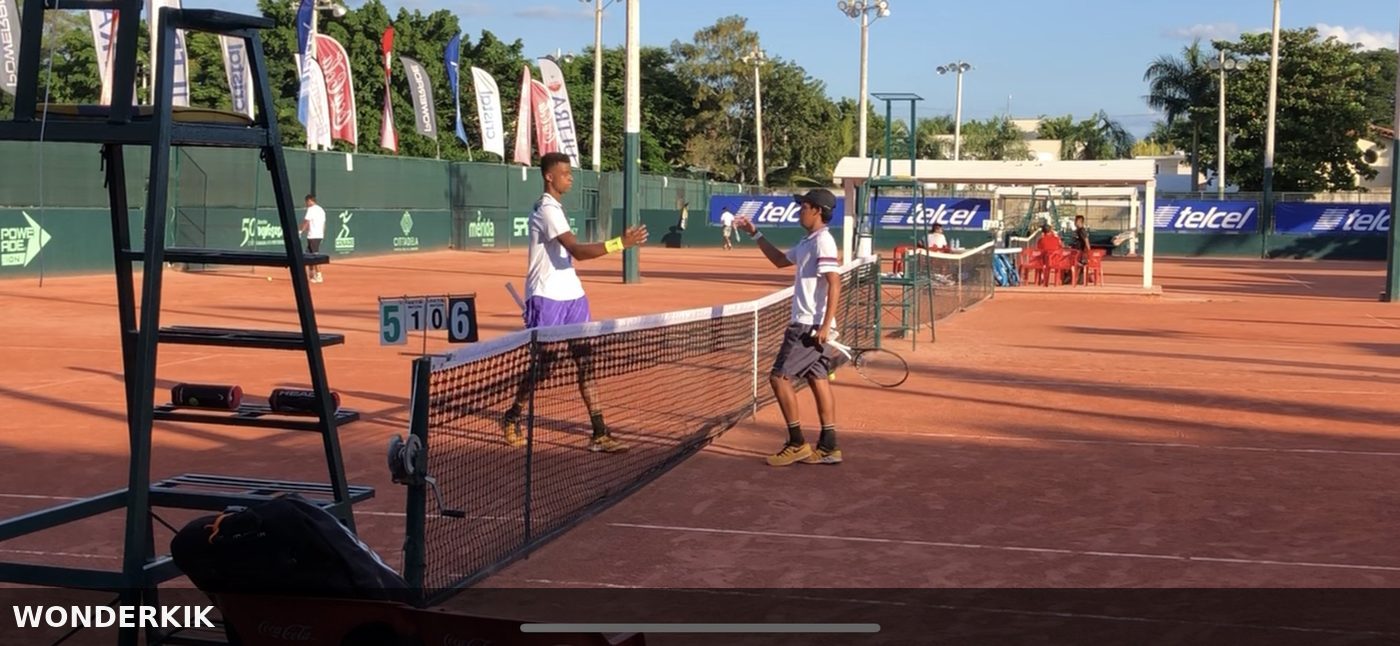
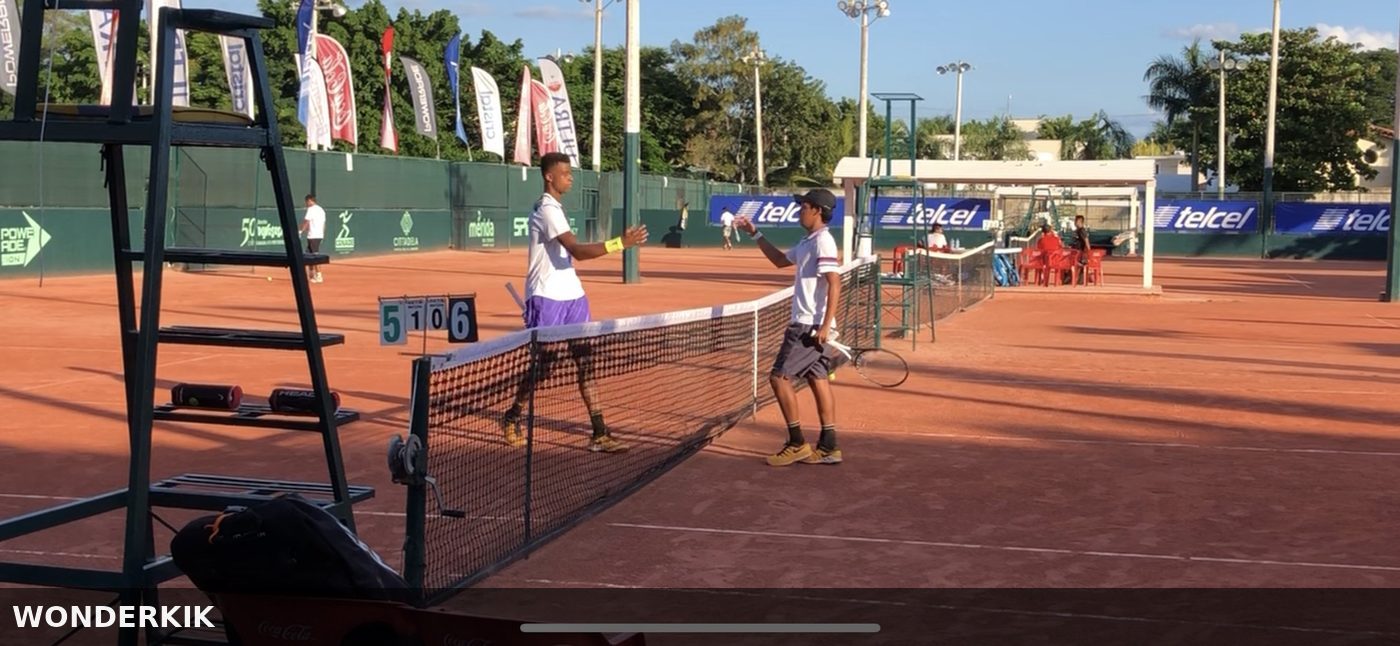
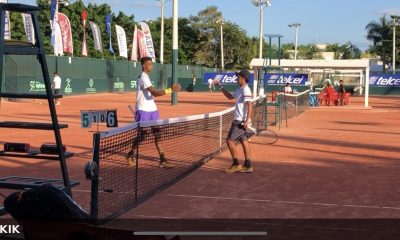
Tennis Match
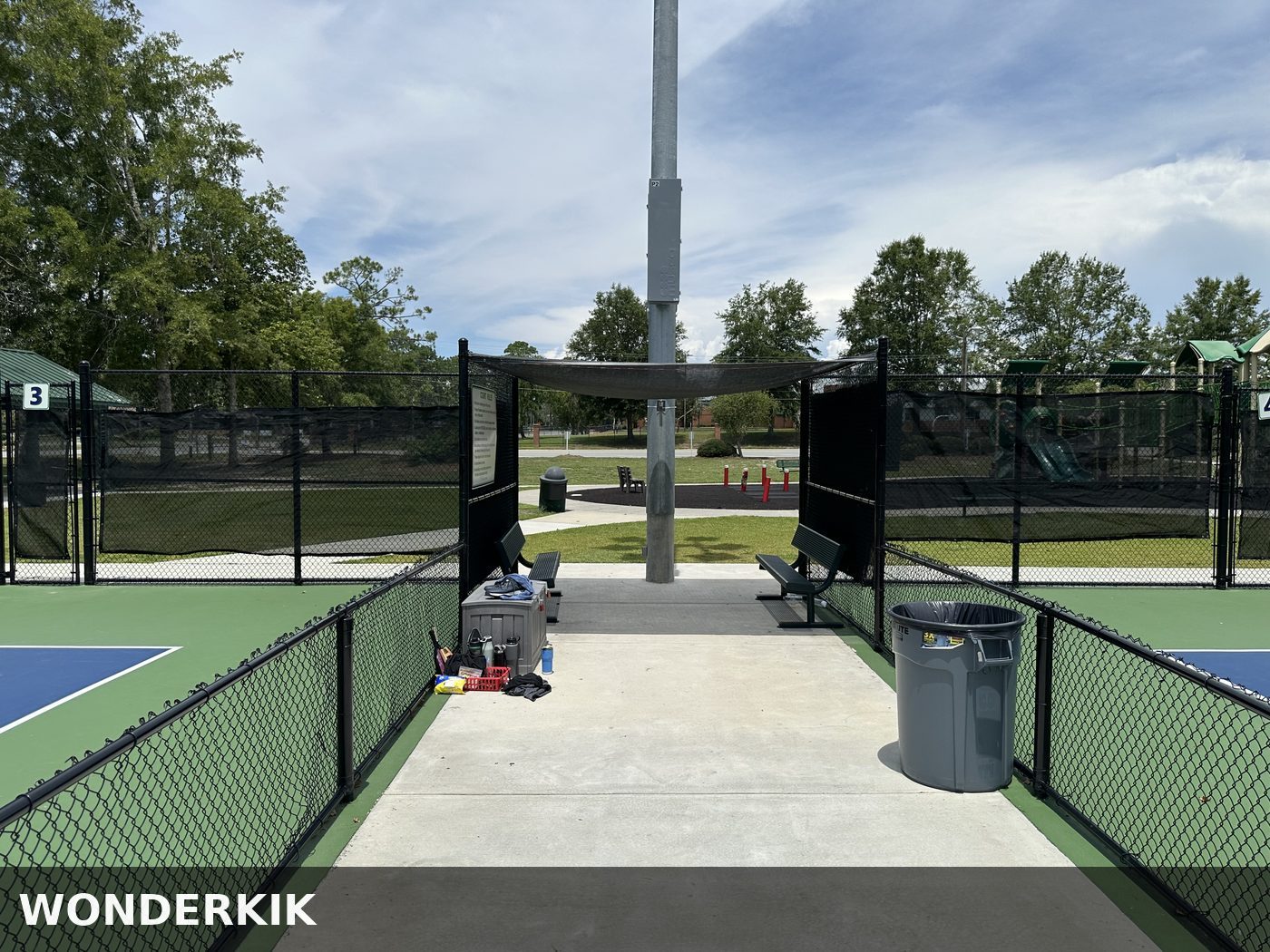
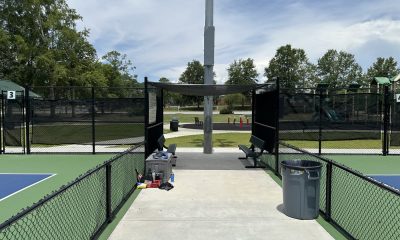
Located in between pickleball courts 3 and 4 at Harry B. Anderson Tennis Center – CC CC0 (Wikimedia Commons)
The serve: overhead explosion vs. underhand formality
This one difference tells you everything about the two sports’ personalities.
Tennis: the serve is a full-body overhead whip — one of the hardest technical movements in sport, and the biggest single weapon a tall player will ever have. A 120 mph serve can win a point on its own.
Pickleball: the serve is underhand, below the waist, diagonal. It exists to start a point, not to end one. You cannot gain an unfair serve advantage in pickleball, by design.
If your shoulder or your ego loves a big serve, that’s tennis. If you’d rather the point begin equally, that’s pickleball.
The ball and the paddle: strings vs. whiffle
Tennis uses a felt ball that grips the strings and lets you rip heavy spin; the balls are kinetic — they compress, bounce high, and move fast. Your tennis racket is a spring: strung head, 300-ish grams, tuned for power and spin.
Pickleball uses a hollow plastic ball with holes (the whiffle ball of the sport world) and a solid paddle with no strings. Less spin, less speed, much more control precision on short shots. Rallies in pickleball are about angles and dinks; rallies in tennis are about pace and depth.
The pace of play
A tennis point is often decided in seconds: a big serve, a winner down the line, an aggressive volley. Average rally length is short, and matches are long strikes of explosive effort — 1.5 to 3 hours of court-pounding tennis is normal.
Pickleball points are slower and longer on average, especially with the double-bounce rule giving both sides extra time. Matches run roughly 20–30 minutes (to 11). You’ll sweat in pickleball, but not from running corner to corner on a 78-foot court.
Fitness: which one is more of a workout?
Tennis is the more demanding sport, flatly: bigger court, faster ball, longer matches, more running, more jumping. It’s excellent athletic conditioning. Pickleball at the tournament level is a real workout too — lateral lunges and quick reactions — but casual pickleball is genuinely gentle, and that’s half its popularity.
So: want a hard athletic challenge? Tennis. Want activity nearly every day without wrecking your body? Pickleball.
Cost to start
Both sports have a cheap entry and an expensive deep end. Tennis gear costs more at the start (a beginner racket runs higher than a beginner paddle, and packs of balls add up), though tennis court fees are often low — many public courts are free. Pickleball is cheaper still: a good beginner paddle is $50–110 (detailed in our paddle guide), balls are cheap, and the courts are usually free at parks.
The real cost difference shows up in time, not money: pickleball’s community of free public courts makes daily play far more available than tennis clay or hard courts with booking fees.
Who each sport actually suits
Pick pickleball if you:
– want to start playing this week, not this season
– prefer doubles and social, drop-in play
– have shoulder or wrist sensitivity that fears the overhead
– like your sport tactical and short rather than long and physical
– want to play late into life
Pick tennis if you:
– love singles and one-on-one rivalry
– want athletic conditioning as part of the sport
– enjoy the serve as a weapon and endless skill ceiling
– don’t mind (or enjoy) matches that run two hours
– have the time and surface access to train properly
Can you play both?
Absolutely — and a lot of people do. Tennis sharpens your court instincts, pickleball sharpens your hands. Many players describe pickleball as the sport they play between tennis seasons, or tennis as the sport they graduate to. They’re siblings, not rivals.
Padel muddies all of this
Before you commit to either, one more wrinkle: padel — the tennis-adjacent sport exploding across Europe — shares tennis’s scoring and pickleball’s social, small-court accessibility. If your head is torn between two racket sports, our padel vs tennis breakdown and what is padel guide might introduce you to a favorite you hadn’t considered.
Mostly yes — the hand-eye coordination transfers. But the underhand serve and double-bounce rule trip tennis players up more than beginners, because they try to play tennis-with-a-short-court. Unlearn those two habits and you’ll pick it up fast.
Which sport burns more calories?
Tennis, in a full-length competitive match — bigger court, longer play, more running. Pickleball still burns calories at competitive pace, but tennis tops it on intensity and duration.
Can seniors play tennis?
They can, and many do at a high level (senior leagues are popular). But pickleball is statistically gentler on joints, knees, and shoulders, which is why it’s the sport of choice for so many older players. Tennis remains a high-impact sport on hard courts.
Which is better for kids?
Depends on the kid. Pickleball gives kids early rallies, repetition, and social play. Tennis rewards the athletic, energetic child who doesn’t mind a steep first year. Both build hand-eye coordination; pickleball builds it faster at age 8.
Do I need a racket or paddle for each?
Yes — the paddle and racket are not interchangeable. The solid-faced pickleball paddle and strung tennis racket are built for completely different games (and tennis rackets are not allowed on a pickleball court).
Are pickleball courts different from tennis courts?
Completely. Pickleball is a smaller court (20×44 ft) marked differently, with its own service areas and kitchen. Four pickleball courts can fit on a single tennis court.
Racquet sports player and writer covering pickleball, padel, tennis, badminton, and squash. Former collegiate tennis player turned recreational pickleball enthusiast. Jackson writes beginner-friendly guides to help new players get on court faster.














Recent Comments